315kWh Cabinet BESS: 2026 Market Guide for C&I Buyers
Last updated: 2026-11-04
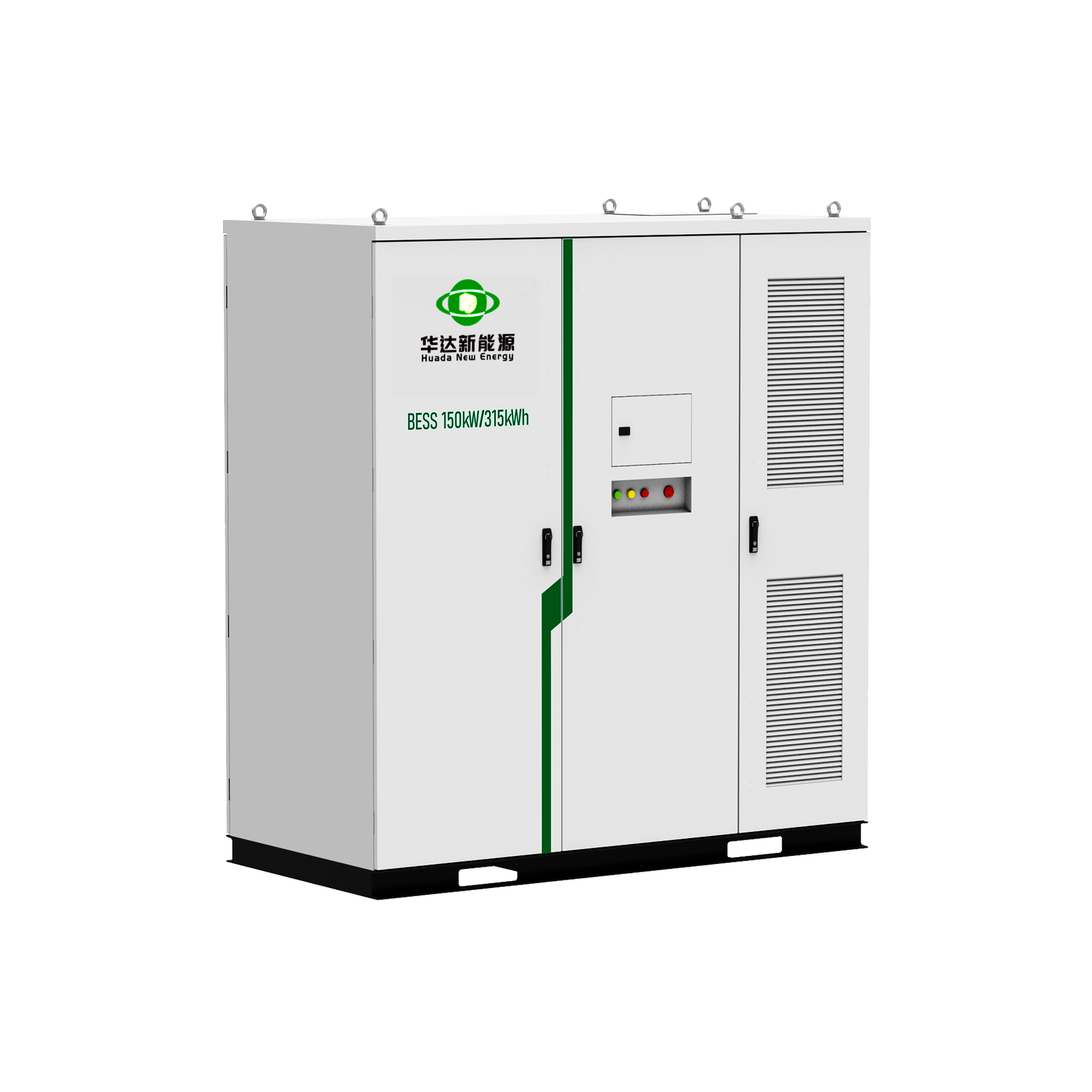
The commercial and industrial (C&I) battery storage market is projected to grow from USD 18.9 billion in 2026 to USD 59.1 billion by 2035, and the 315kWh cabinet segment sits at the centre of that expansion. For factories, cold-storage operators and EV-charging plazas weighing their first serious storage investment, the H098-315kWh battery energy storage system combines 316.4 kWh of energy and 150 kW of integrated power conversion in a single air-cooled outdoor cabinet — no civil works, no separate PCS enclosure, no liquid-cooling loop to maintain. This guide reviews the 2026 market data behind that decision, explains the key specifications, and details the IEC and SIRIM certifications that determine where the cabinet can be deployed.
What Is a 315kWh Cabinet BESS?
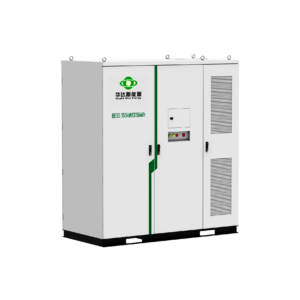
A 315kWh cabinet BESS is a factory-integrated battery energy storage system that packs an LFP battery, a bidirectional power conversion system (PCS), an energy management system (EMS) and thermal management into one outdoor-rated enclosure. The H098-315kWh stores 316.4 kWh (412 Ah at a 768 V DC platform, 672–864 V range) and delivers 150 kW of three-phase AC output at 400 V, 3P+N+PE — enough to cover the evening peak of a mid-sized factory or to buffer several DC fast chargers.
Because battery, PCS and EMS are commissioned together at the factory, on-site work is limited to cabling, grid connection and power-up. The IP55-rated, air-cooled enclosure installs on a level surface with standard lifting equipment. The H098 platform spans 50, 100, 150, 215 and 315 kWh on one cabinet architecture, so a site can standardise on a single product family and scale in steps.
| Item | H098-315kWh | What it means for buyers |
|---|---|---|
| Rated energy | 316.4 kWh | Roughly a full evening peak shift for a 100 kW average load over 3 hours |
| Rated power | 150 kW (integrated PCS) | 0.47C duration ≈ 2.1 hours at full output |
| Battery | 412 Ah, 768 V DC (672–864 V) | High-voltage LFP string, charge/discharge current 206 A |
| AC output | 3P+N+PE, AC 400 V, 50/60 Hz, 276 A | Connects to standard industrial distribution |
| PV input | Up to 240 kW, MPPT 200–950 V (max 850 V) | Rooftop solar connects directly, no external MPPT |
| Protection | IP55 outdoor cabinet, air-cooled | No liquid loop, no coolant maintenance, no leak risk |
| Operating temp. | Discharge −20 to 55 °C; charge 0 to 50 °C | Suited to hot-climate outdoor installation (≤2,000 m altitude) |
| Footprint | 2,153 × 1,297 × 2,414 mm, 3,500 kg | Same envelope as the 215 kWh model, 47% more energy |
| Communication | RS485 / CAN, cloud monitoring | Remote parameter, alarm and energy reporting |
Why It Matters Now: The C&I Storage Market in 2026
Demand charges — not energy consumption — are now the primary cost driver pushing C&I buyers into storage, and the 2026 market data reflects that shift. Globe Market Research (September 2026) values the C&I BESS market at USD 18.9 billion in 2026, growing at 13.5% CAGR to USD 59.1 billion by 2035. Three findings from that research are directly relevant to cabinet-class buyers: peak demand reduction is the largest use case at 32.5% of the market; manufacturing plants are the largest facility type at 31.2%; and LFP chemistry holds a 70% share because of its thermal stability and cycle life. Behind-the-meter standalone systems account for 55.6% of installations — exactly the architecture of an outdoor cabinet beside the transformer.
The macro picture confirms the momentum. The IEA Global Energy Review 2026 reports that global energy storage additions reached roughly 108 GW in 2025, up about 40% year on year, with LFP chemistry dominating new deployments. In China, the National Energy Administration reported new-type energy storage capacity above 140 GW by the end of Q1 2026, with explicit policy support for user-side and distributed storage. Cost is moving in buyers’ favour too: BloombergNEF’s Battery Price Survey (December 2025) put average pack prices at USD 108/kWh, with stationary-storage packs the lowest segment at about USD 70/kWh.
For a 315kWh-class cabinet, the practical takeaway is that the mid-capacity segment — below 500 kWh per unit, multi-cabinet by design — is where factories and commercial sites increasingly start. A single cabinet handles peak shaving and backup for most mid-sized loads; capacity then scales by paralleling cabinets rather than re-engineering the system.
Real-World Applications for a 150kW/315kWh Cabinet
The H098-315kWh earns its keep where electricity is a major cost line and loads run continuously. Product-page design targets — factories, cold storage, malls, EV-charging plazas and industrial parks — map directly onto the market segments growing fastest in 2026.
Manufacturing plants and cold storage
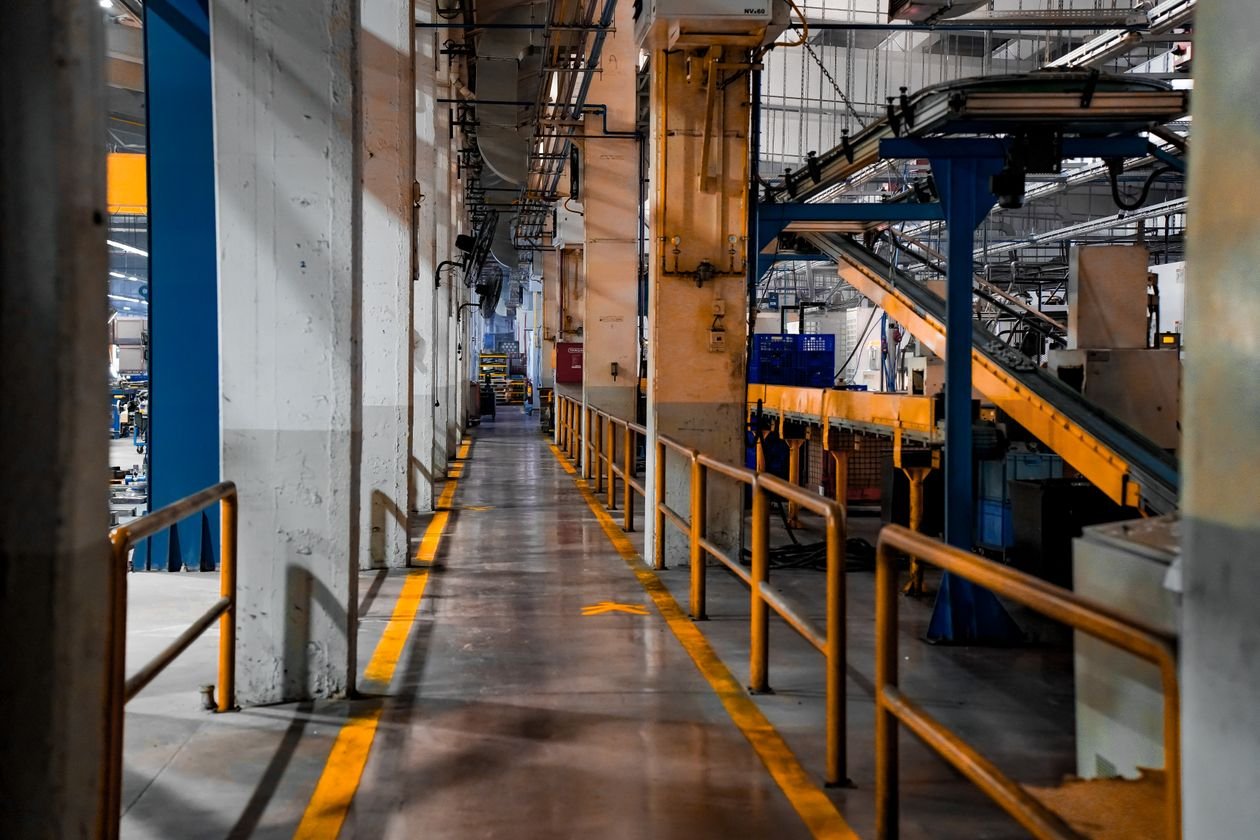
A cabinet rated at 150 kW / 316.4 kWh can flatten the morning start-up spike of a two- or three-shift plant and shift grid consumption from peak to off-peak tariffs. Globe Market Research (2026) ranks manufacturing the largest C&I storage segment at 31.2% of facility type, and demand-charge reduction the largest single use case at 32.5%. For cold-storage operators with round-the-clock refrigeration, the same cabinet doubles as backup capacity that keeps temperature-sensitive stock safe through an outage.
Commercial rooftop solar self-consumption
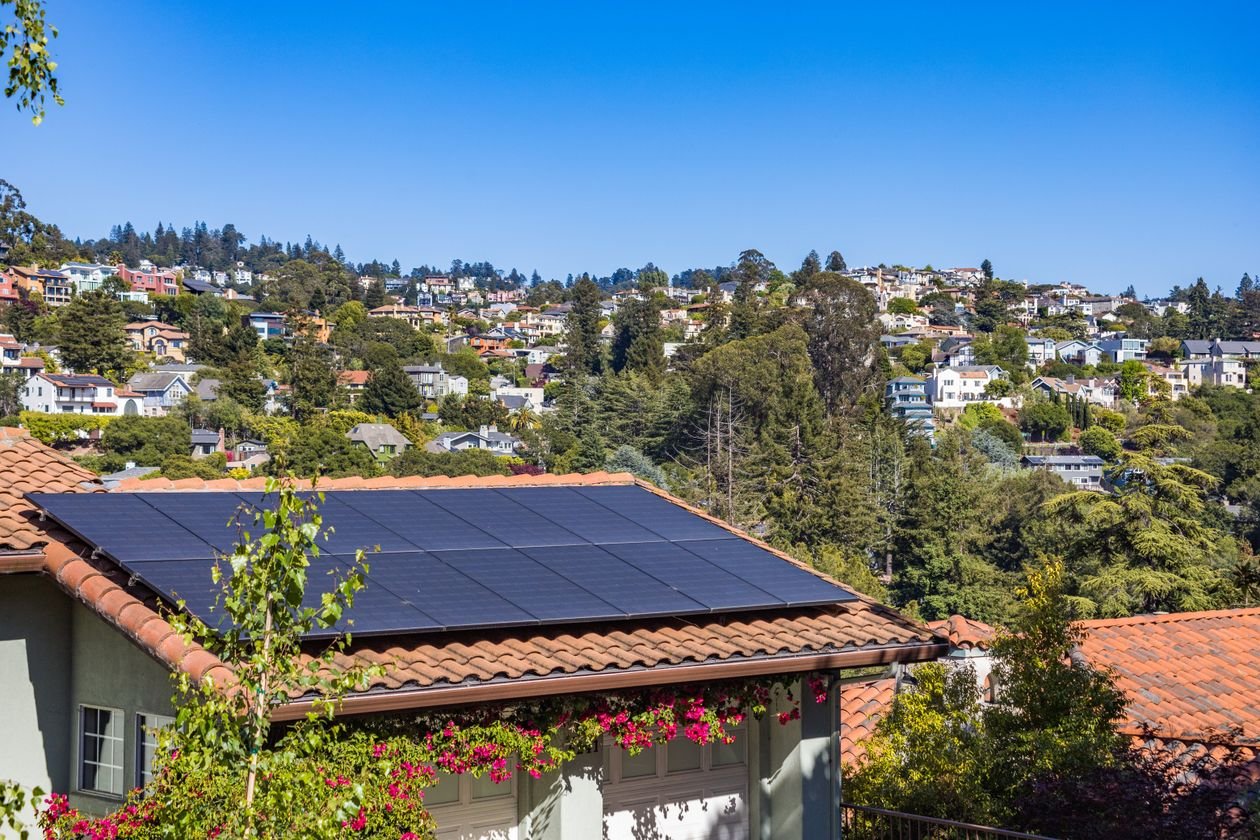
The built-in MPPT accepts up to 240 kW of PV at a maximum 850 V input (200–950 V working range), so rooftop solar charges the battery directly without an external controller. That raises daytime self-consumption and lets the EMS arbitrage between solar, off-peak grid power and peak-hour discharge — the solar-plus-storage configuration that analysts identify as the fastest-growing C&I installation type.
EV charging plazas
Charging plazas face grid-connection limits precisely when utilisation peaks. A 315kWh cabinet buffers the instantaneous draw of several 60–150 kW DC dispensers — such as the CCS2 fast-charging stations — cutting demand spikes while the grid supply stays within its contracted capacity. For remote or weak-grid sites, the 193kWh off-grid EV charging station applies the same cabinet logic with integrated solar.
Certifications Explained: IEC, UN38.3, RoHS and SIRIM
Certification determines whether a cabinet can be imported, connected and insured in your market — and the H098-315kWh carries a standards list (as published on the product page) that covers both international IEC benchmarks and Malaysia’s national mark. Below is what each item actually governs.
| Certification / standard | Scope | Why it matters to buyers |
|---|---|---|
| IEC 63056 | Safety requirements for secondary lithium cells and batteries for electrical energy storage systems | Core cell- and battery-level safety benchmark for stationary storage |
| IEC 62477-1 | Safety requirements for power electronic converter systems | Covers the 150 kW PCS, not just the battery |
| IEC 62933-5-2:2020 | Electrical energy storage systems — safety for grid-integrated EES | System-level safety for grid-connected operation |
| IEC 62933-2-1:2017 | EES system parameters and testing methods | Common test language for unit performance |
| EN 61000-6 | EMC immunity and emission standards | Prevents interference with plant electronics |
| UN 38.3 | Transport testing (T.1–T.8) for lithium cells and batteries | Mandatory for sea and air shipment; Class 9 dangerous goods |
| RoHS 2.0 (2011/65/EU) | Restriction of hazardous substances | Required for EU market placement |
| MSDS | Material safety data sheet | Handling, storage and emergency-response documentation |
| SIRIM · MyHIJAU Mark (Malaysia) | National product certification and green-label scheme | Market-access credential for Malaysian imports and green procurement |
The Malaysia entry deserves particular attention. In September 2025, SIRIM together with the Ministry of Investment, Trade and Industry (MITI) issued the first edition of the Guidelines for Certification and Labelling of Battery Energy Storage, bringing storage batteries under the Product Certification Scheme. It defines two routes: Type 5 certification (type testing plus factory audit, one-year validity with annual surveillance, suited to continuous export programmes) and Type 1B batch certification (per-shipment sampling and testing, suited to small or trial volumes). Overseas manufacturers must appoint a Malaysia-registered company as the local applicant, and certified products must carry the SIRIM safety label with QR code and serial number. Holding SIRIM certification ahead of that requirement — and the related MyHIJAU green mark used in green-technology procurement and incentive schemes — materially shortens the import path for Malaysian EPC contractors and distributors.
How to Choose the Right Cabinet ESS
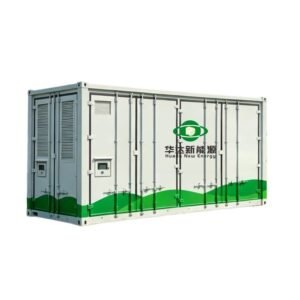
Choosing between a 315kWh cabinet, a 215kWh cabinet and a containerised system comes down to load profile, tariff structure and site constraints. Use this checklist before requesting quotations:
- Size from the load, not from a round number. Pull twelve months of interval data; the demand peak (kW) sets the power rating, the daily energy swing (kWh) sets the capacity.
- Check the duty point. 150 kW on 316.4 kWh is about 2.1 hours of storage — a fit for peak shaving and arbitrage, while longer-duration backup favours the 500kWh container or 1MW/3MWh container systems.
- Match certifications to your market. Verify IEC 63056 / IEC 62477-1 / IEC 62933 coverage for system acceptance, UN 38.3 for shipping, and national marks such as SIRIM for Malaysia before the purchase order, not after.
- Confirm the thermal design. Air cooling lowers O&M overhead; verify the cabinet’s temperature envelope (here −20 to 55 °C discharge) against your site climate.
- Plan the expansion path. One cabinet platform spanning 50–315 kWh lets later units parallel without changing vendors or communication protocols.
- Ask for a stamped datasheet. Tender submissions need certified parameters, not brochure numbers — request the datasheet with the quotation.
Frequently Asked Questions
How much does a 315kWh battery energy storage system cost?
System prices vary by market, configuration and certification scope, so treat any single figure with caution. As a reference point, BloombergNEF’s Battery Price Survey 2025 reported stationary-storage pack prices averaging about USD 70/kWh, and turnkey system prices run at a multiple of pack cost once the PCS, enclosure, EMS and installation are included. Request a project-specific quotation with the stamped datasheet.
What certifications does the H098-315kWh cabinet carry?
Per the product page, it is certified to IEC 63056, IEC 62477-1, IEC 62933-5-2:2020, IEC 62933-2-1:2017 and EN 61000-6, with RoHS 2.0, UN 38.3 and MSDS for transport and compliance, plus the Malaysian SIRIM certification and MyHIJAU mark. Certification documents should be requested alongside the datasheet for tender use.
Do I need SIRIM certification to import a BESS into Malaysia?
Under the September 2025 SIRIM–MITI guidelines for battery energy storage, products are certified through the Product Certification Scheme via Type 5 (factory-audit) or Type 1B (batch) routes, and overseas manufacturers need a Malaysia-registered local applicant. Enforcement status is transitioning toward mandatory certification, so confirm the current requirement with SIRIM or your importer before shipping.
Can the cabinet connect directly to rooftop solar?
Yes. The built-in MPPT accepts up to 240 kW of PV with a 200–950 V working range and an 850 V maximum input voltage, so most commercial rooftop arrays connect directly. PV charging and off-peak grid charging can run in parallel under the EMS.
What is the cycle life of the H098-315kWh?
A specific cycle-life figure is not published on the product page, and we do not quote numbers we cannot substantiate. The LFP battery platform is designed for daily cycling in C&I service; request the warranty plan and cycle-life test basis with your quotation so the guarantee terms are clear before purchase.
How long does installation take compared with a containerized BESS?
Because the battery, PCS and EMS arrive factory-commissioned in one IP55 cabinet, installation requires only ground preparation on a level surface, cable runs, grid connection and power-up — typically a fraction of the site time of a container project with no civil works or secondary integration. Exact schedules depend on site electrical readiness.
About huadaenergy
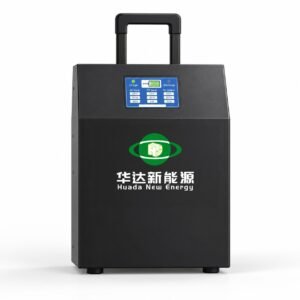
Huada Technology (huadaenergy) manufactures lithium battery energy storage products — from portable power stations and home batteries to cabinet and containerised C&I systems — at its Huizhou, China production base. Every H098 cabinet completes full-function FAT testing before shipment, ships in reinforced export packaging with standard hoisting points, and is supported with customs documentation and site-acceptance assistance. OEM/ODM configuration is available across the H098 platform. To request the stamped H098-315kWh datasheet, certification documents or a project quotation, contact the huadaenergy sales team.
—
Last updated: 2026-11-04