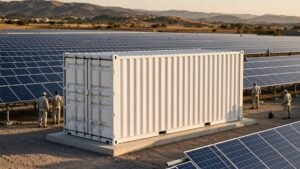
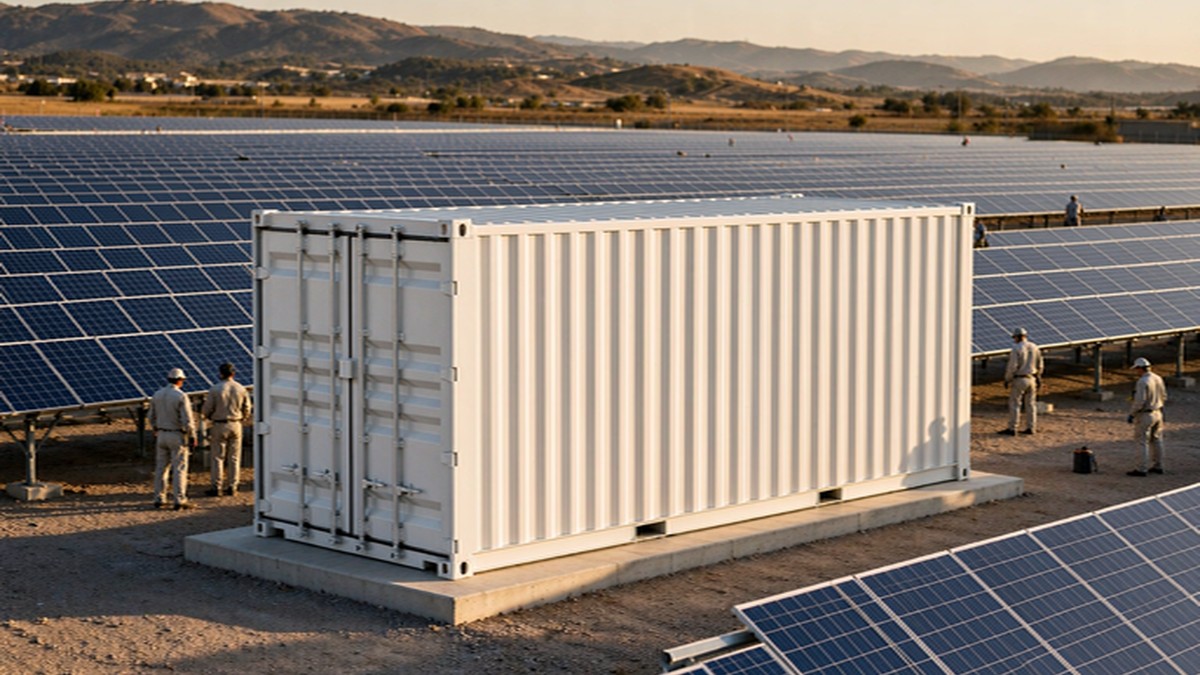
A 500kWh containerized BESS is a complete battery power plant inside one standard 20-foot shipping container, and in 2026 the deciding factor is no longer capacity but verified fire safety. The huadaenergy H098-500kWh pairs a 502.6kWh LiFePO4 bank with a 250kW PCS, BMS, EMS and thermal and fire control in one factory-tested enclosure. This guide explains what each specification means in plain language, why new large-scale fire-test rules changed the buying criteria, and how to specify a container that will pass review in your market. Last updated: 2026-11-22.
What Is a 500kWh Containerized BESS?
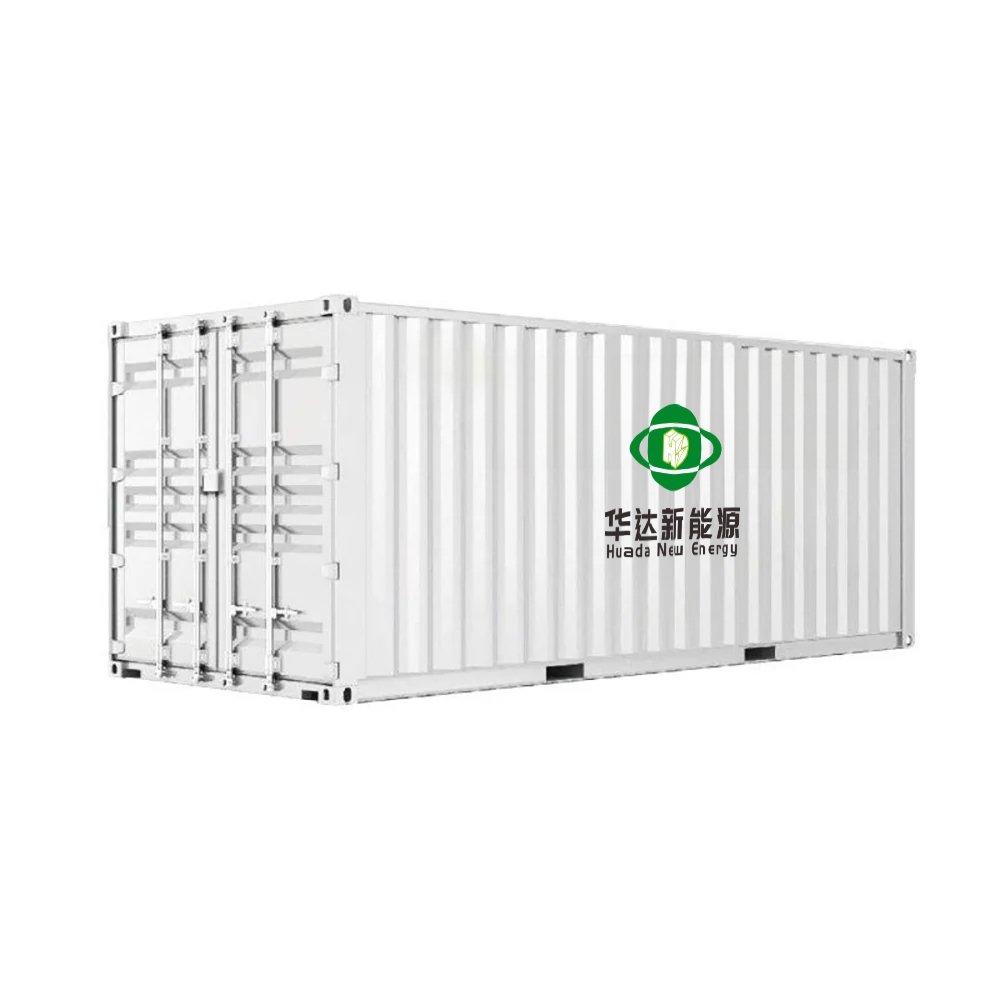
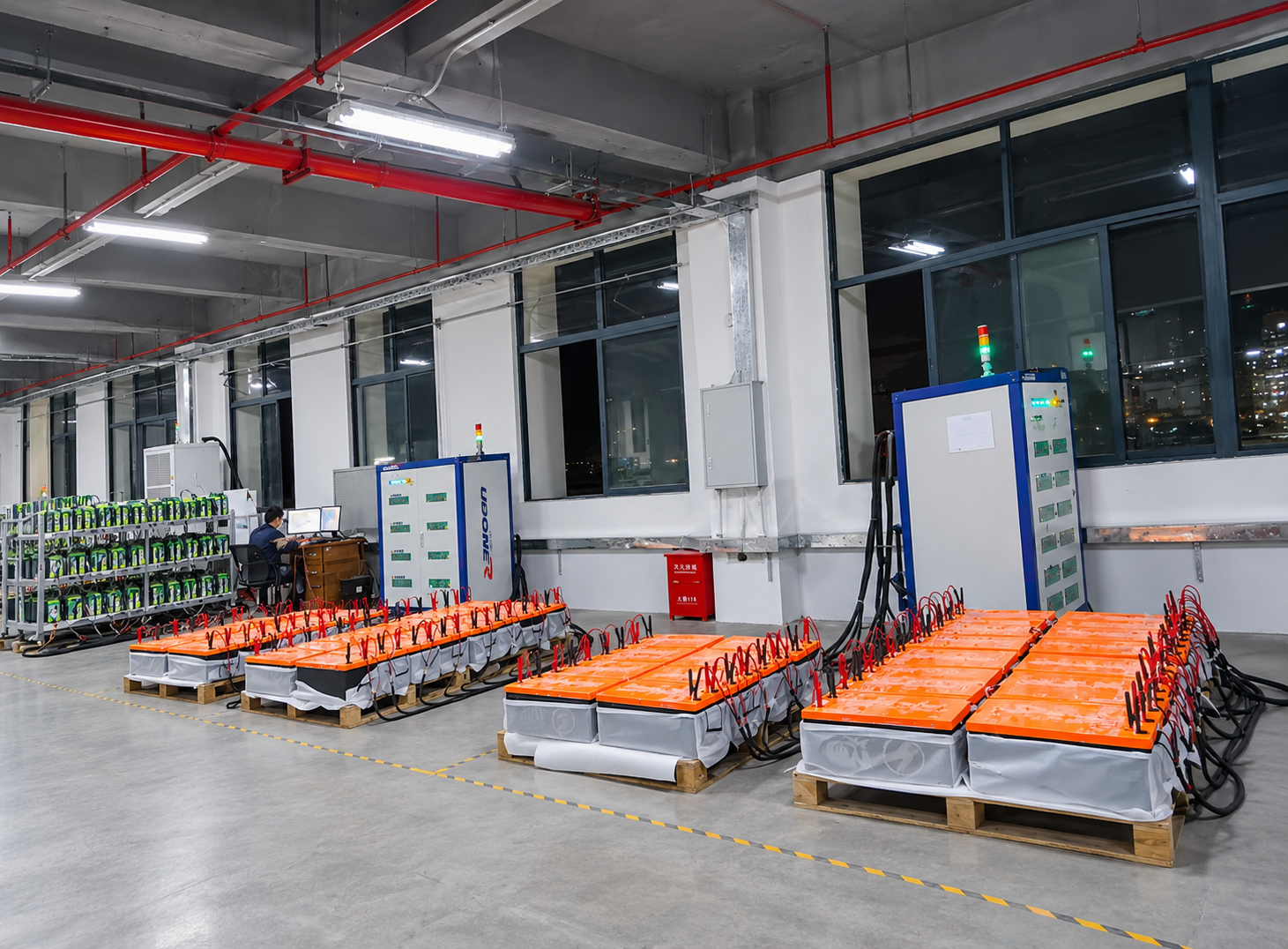
A 500kWh containerized BESS is a turnkey energy storage unit — LiFePO4 batteries, power conversion, battery management, energy management, thermal control and fire systems — pre-assembled and tested inside a 20-foot container so it can be shipped and commissioned with minimal site work. Think of it as a “battery room on wheels”: everything that used to be built piece by piece in a plant is integrated at the factory and delivered as one skid.
How the energy and power figures relate
Two numbers define any container: energy in kWh and power in kW. Energy decides how long the system can run a load; power decides how large a load it can serve at once. The H098-500kWh stores 502.6kWh and delivers 250kW continuously, with a 275kW peak — roughly a two-hour system, suited to shifting a few hundred kilowatts of demand across a daily peak window.
Why the 20-foot format matters
A 20-foot container measures 6,058 × 2,438 × 2,591 mm and weighs 11,500 kg fully fitted. That standard footprint is the reason these units can travel by ship, truck and rail and be placed on a simple concrete pad — no bespoke building, no long civil works, and a far shorter path from order to energisation.
Why Fire Safety Became the Deciding Specification in 2026
Fire safety became the deciding specification in 2026 because new codes now require large-scale fire testing of the whole container, not just cell-level certificates. Three linked changes raised the bar for every lithium battery project.
UL 9540A, 6th edition and NFPA 855:2026
UL Solutions published the 6th edition of UL 9540A on 13 March 2026. It adds a clearer installation-level large-scale fire test that aligns with Annex G.11 of NFPA 855:2026, which now calls for large-scale fire testing of lithium-ion BESS where fire could spread between units (UL Solutions, 2026). In practice, buyers can no longer rely on a cell test alone to approve a container installation.
ISO 3941:2026 and the Class L fire category
ISO 3941:2026 introduced a Class L category for lithium-ion battery fires, recognising that thermal runaway, vent gas, re-ignition and cell-to-cell propagation behave differently from ordinary fires (ISO, 2026). The message for specifiers is that a container needs dedicated detection, suppression and passive protection — not a generic extinguisher.
What the growth numbers say
Global battery storage additions reached 108 GW in 2025, around 40% more than 2024, with utility-scale projects accounting for roughly 87 GW (IEA, 2026). As containers multiply on industrial sites, insurers and authorities having jurisdiction are asking harder questions about how one unit behaves when a neighbouring unit burns.
Key Specifications, Translated Into Plain Language
The specification that matters most is not the largest number on the sheet but the one that matches your load profile and site conditions. The table below restates published H098-500kWh figures and explains what each means for a buyer.
| Item | H098-500kWh | What it means for a buyer |
|---|---|---|
| Battery capacity | 840Ah / 598.4V (502.6kWh) | About two hours at full 250kW output |
| Rated / peak power | 250kW / 275kW | Sets the largest load the unit can serve at once |
| AC output | 400V (−20% ~ +15%), 361A rated / 397A max | Wide tolerance suits weak or distant grids |
| Battery voltage range | 467.5–682.5V | The PCS operating window around the 598.4V nominal bank |
| Cycle life | Over 6,000 cycles | LiFePO4 service life rating, not a calendar guarantee |
| Dimensions / weight | 6058 × 2438 × 2591 mm / 11,500 kg | Standard 20ft footprint for ship, truck and rail |
| Temperature | Charge −5~50°C; discharge −20~50°C; storage 0~45°C | Check against the coldest and hottest site conditions |
| Communication | RS485 / CAN, 4G supported | Match to the site SCADA or monitoring platform |
| Certification standards listed | IEC, UN38.3, MSDS, RoHS | Confirm current documents for the shipped model and market |
Reading the voltage and current window
The 598.4V battery bank operates from 467.5 to 682.5V, and the AC output is 400V with a −20% to +15% tolerance, rated at 361A and 397A maximum. This tolerance range matters on weak grids or remote diesel-hybrid sites, where supply voltage drifts; the wide window lets the PCS stay online instead of tripping.
Reading the temperature and cycle figures
Charging is specified from −5°C to 50°C and discharging from −20°C to 50°C, with recommended storage at 0–45°C. The LiFePO4 bank is rated for over 6,000 cycles. Those two facts together tell you the container can work in desert and coastal heat while delivering a long service life — provided the thermal management system keeps cells inside that window.
Where Passive Fire Protection Fits — and What It Cannot Replace
A fire-resistant coating is a passive protection layer that slows heat transfer to a structure; it does not replace UL 9540A testing or an installed suppression system. This distinction matters because 2026 rules judge the whole system, and no single material can be presented as a compliance shortcut.
How an intumescent coating works
The MARC fire-resistant coating developed by Hunan Yingsuo Technology — the core operating company of TopMaterial Tech’s “AI + New Materials” business, with technology drawing on the State Key Laboratory of Powder Metallurgy at Central South University — is a two-component intumescent coating. Under flame it swells into a char layer that insulates the steel beneath. huadaenergy is a pioneer in applying this newly developed fire-resistant coating to energy storage systems, an application claim rather than a material patent holding.
What the test documents actually report
The fire-resistance report YJ2025060240 describes a 2.5mm coated steel plate held in an 800–850°C flame for 30 minutes: the plate did not burn through and the back-face temperature peaked at 154.8°C, below the 300°C client criterion. Adhesion report EMT02R000171C01 records a grade 0 cross-cut result to GB/T 31586-2015; RoHS report A2260349272101001C found 256 mg/kg lead against a 1,000 mg/kg limit; SDS XG26165519 is compiled to REACH 2020/878 and classifies the product as not a dangerous good for IMDG, IATA or ADR transport.
The limits you must keep in view
Those four reports were issued by CTI with Changsha TopMaterial and Hunan Yingsuo as the named companies, not by huadaenergy, and each states that results apply only to the tested sample and are for internal reference. Treat them as supporting material for a project safety review, and ask the coating supplier for documents tied to your exact production batch.
Real-World Applications of a 500kWh Container
A 500kWh container suits a site that has outgrown cabinet storage but does not yet need a multi-megawatt-hour plant. Its 250kW output and two-hour duration map cleanly onto several commercial duties.
Commercial and industrial peak shaving
The container charges at off-peak tariff and discharges across the expensive afternoon window, reducing billed demand and exposure to time-of-use prices. For a factory with a 200–250kW peak, one unit can shave the whole peak without a new transformer.
Solar-plus-storage and microgrids
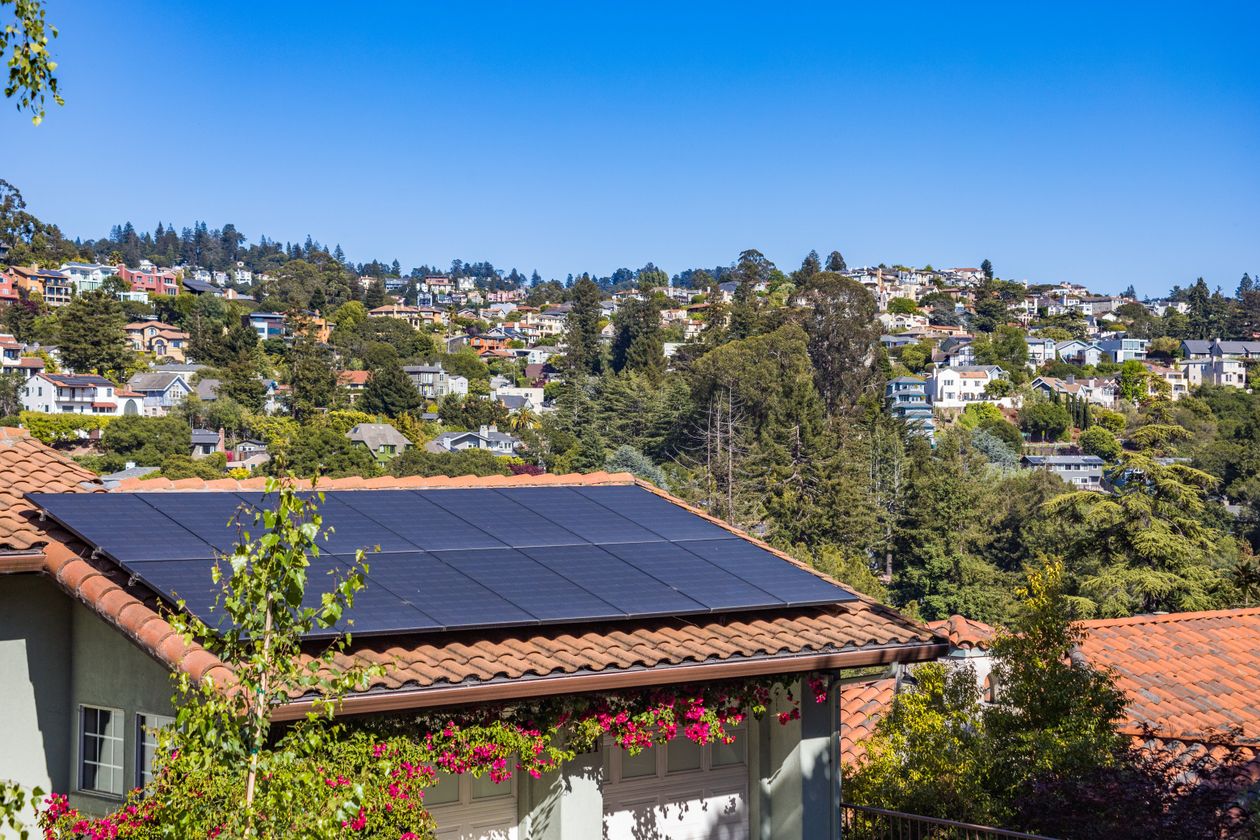
Paired with a PV plant, the unit stores midday surplus instead of curtailing it and releases it after sunset. For remote mines or islands, it works with the grid and a diesel generator as a microgrid, cutting generator running hours while holding reserve capacity.
EV charging and telecom backup
A 250kW container can buffer a charging station’s draw so the grid connection does not have to be upsized, and the same platform serves telecom towers and critical loads where 4G cloud monitoring and RS485/CAN reporting make alarms visible off site.

Container ESS vs Cabinet ESS: Which Fits Your Site
A container is chosen over a cabinet when capacity, transport logistics and on-site build speed outweigh a smaller footprint. The comparison below uses the published 500kWh container and 315kWh cabinet figures.
| Option | Energy | Power | Form factor | Suitable for |
|---|---|---|---|---|
| H098-500kWh container | 502.6kWh | 250kW | 20ft, 11,500 kg | C&I peak shaving, PV plants, remote sites |
| H098 315kWh cabinet | 315kWh | 150kW | Outdoor cabinet | Smaller factories, urban sites with tight space |
| Parallel containers | 1MWh–3MWh | Scaled | Multiple 20ft units | MWh-class projects, phased expansion |
### When a cabinet is the smarter buy
If the site has limited ground area and a load under 150kW, a 315kWh cabinet ESS avoids the crane, pad and spacing that a 20-foot unit needs. When the load is larger or the site is remote, the container’s lower cost per kWh and faster deployment win.
Planning for expansion
Multiple containers can run in parallel, so a buyer can install one 500kWh unit now and add capacity later without replacing the first. Ask the supplier to document the parallel configuration and the communication protocol at tender stage.
How to Choose the Right 500kWh Container
Choosing the right container comes down to verifying six things on paper before a purchase order is raised. Work through this checklist with the supplier and request documents, not assurances.
The buyer’s verification checklist
- Confirm energy and power against your half-hour load profile, not the site’s connected load.
- Ask for the large-scale fire test evidence for the exact container configuration, and how the design addresses NFPA 855:2026 spacing and gas detection.
- Match the AC output tolerance and frequency to the local grid code and transformer.
- Check charging temperature limits if the unit sits in a cold bay, and the IP rating for a coastal or dusty site.
- Require the BMS/EMS communication protocol (RS485, CAN, 4G) to match your SCADA or monitoring platform.
- Verify that certification documents are current and issued for the shipped model; check the recognised authority directory where a listing is required.
Frequently Asked Questions
What is a 500kWh BESS container?
It is an all-in-one container energy storage system with LiFePO4 batteries, PCS, BMS and EMS pre-installed, ready for fast deployment on commercial and industrial projects. The huadaenergy H098-500kWh stores 502.6kWh and delivers 250kW in a standard 20-foot container.
How long can a 500kWh container power my facility?
At full 250kW output the bank lasts about two hours; at a 100kW load it lasts roughly five hours, before conversion losses. Actual runtime depends on depth of discharge, temperature and the discharge rate.
Does the container need a large-scale fire test in 2026?
For many jurisdictions, yes. NFPA 855:2026 and the 6th edition of UL 9540A emphasise installation-level large-scale fire testing for lithium-ion BESS (UL Solutions, 2026). Confirm the requirement with your local authority having jurisdiction before specifying.
Can a fire-resistant coating replace fire testing?
No. A coating is a passive layer that slows heat transfer to steel; it does not demonstrate how a full container behaves in fire. Request the system test evidence separately and treat coating reports as supporting documents only.
Can the container work with solar panels and a generator?
Yes. The system accepts PV, grid and diesel inputs, and an MPPT controller is available as an option. The EMS schedules charging and discharging against the tariff and dispatch needs.
Can huadaenergy build the system under my brand?
Yes. As a source factory in Huizhou, huadaenergy supports OEM/ODM customisation of capacity, enclosure design, communication protocol and branding, and can develop a system design to a customer’s specification for EPC contractors and distributors.
About huadaenergy
Source-factory support and next steps
huadaenergy is a Huizhou, China-based energy storage manufacturer with in-house pack assembly and full-function factory testing, serving commercial, industrial and grid projects worldwide. The company supports OEM/ODM programmes, private-label ranges and custom system design, and can advise on fire-safety documentation for a target market. Request a quotation and the document set for the H098-500kWh container, or review the 500kWh container product page and the 1MWh container series.
Last updated: 2026-11-22