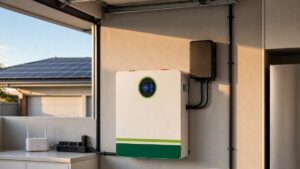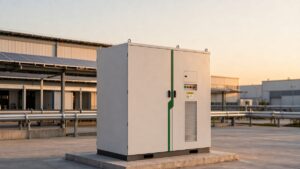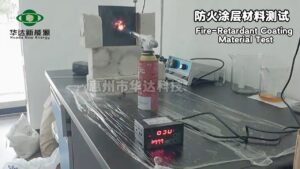
A Batteria domestica da 5,12 kWh mantiene in funzione durante la notte i circuiti essenziali di una piccola famiglia senza rinunciare allo spazio a pavimento. La classe huadaenergy H096-5kWh racchiude 51,2 V e 100 Ah di LiFePO4 in una custodia da 460 × 145 × 515 mm che si monta a parete con un peso di 45 kg, dotata di LCD e WiFi o Bluetooth per l'app dello smartphone. È il punto di ingresso della serie domestica H096, pensata per appartamenti, prime case e nuclei familiari che desiderano un backup affidabile subito e maggiore capacità in seguito. Questa guida segue il percorso di quei 5,12 kWh e cosa verificare prima dell'ordine.
Che cos'è una batteria domestica da 5,12 kWh?
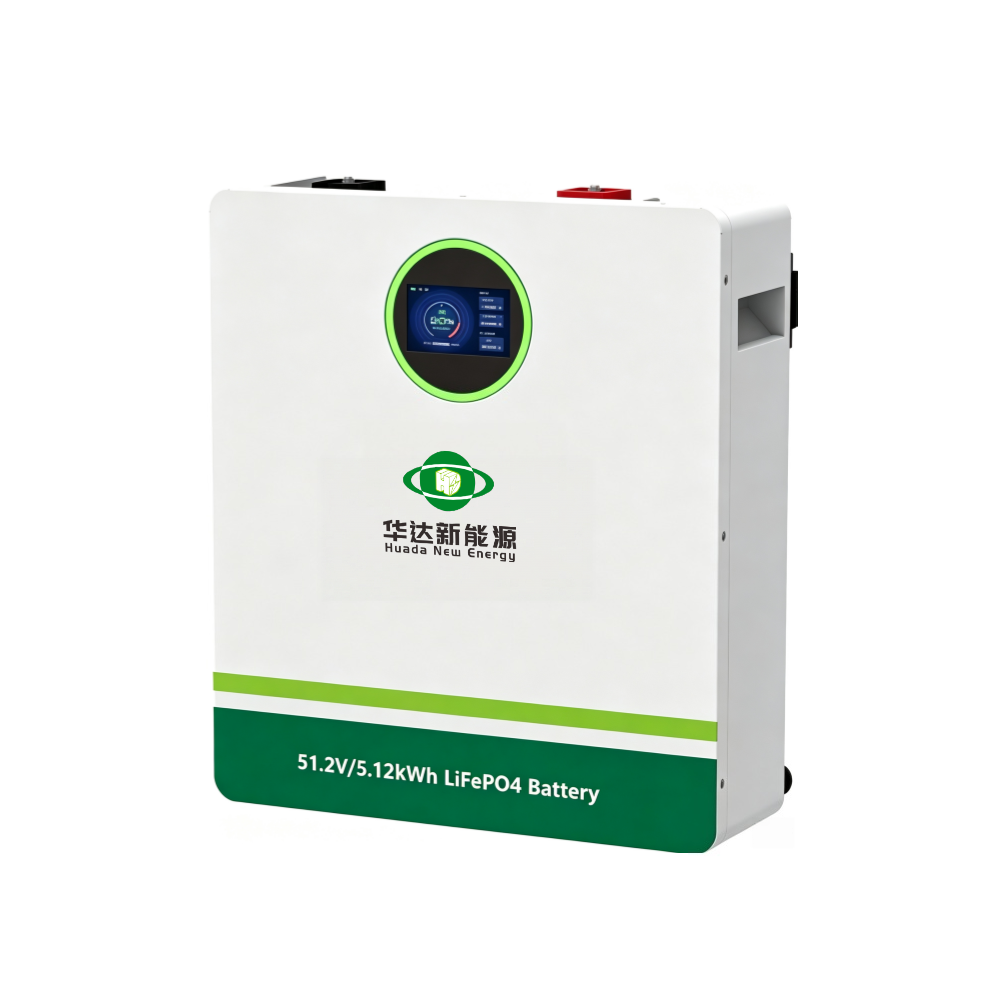
Una batteria domestica da 5,12 kWh è un pacco al litio ferro fosfato a parete con un sistema di gestione che accumula l'energia solare o quella di rete a basso costo e la rilascia ai circuiti selezionati tramite un inverter ibrido. Il valore di 5,12 kWh corrisponde a 51,2 volt per 100 amperora; il pacco opera in una finestra da 40 V a 58 V e comunica con l'inverter tramite RS485 o CAN.
Il formato a parete
Con 45 kg e 145 mm di profondità, l'unità si fissa a una parete accanto al quadro di distribuzione, mantenendo corti i percorsi dei cavi DC e lasciando libero il pavimento. Un LCD circolare mostra lo stato di carica, la tensione e gli allarmi; WiFi e Bluetooth inviano gli stessi dati all'app. La protezione IP20 richiede uno spazio interno asciutto e climatizzato, non esterno.
Perché il backup domestico sale nell'agenda nel 2026
L'accumulo residenziale è in ripresa nel 2026 perché i minori incentivi all'immissione in rete, le tariffe dinamiche e la congestione della rete rendono un chilowattora accumulato in casa più utile di uno venduto alla rete. La convenienza economica che ha guidato l'ultimo picco ha cambiato forma, non è scomparsa.
Cosa è cambiato per le famiglie
SolarPower Europe European Battery Market Outlook 2026-2030 riporta che l'Europa ha installato 36 GWh di accumulo a batteria nel 2025, con un aumento del 48 percento, portando il parco cumulativo oltre 100 GWh. Si prevede che le installazioni residenziali recuperino a 13,2 GWh nel 2026, sostenute da tariffe dinamiche, minori incentivi all'immissione in rete e congestione della rete. Il rapporto solare-batteria dell'UE si attesta a 8:1 nel 2025, in miglioramento rispetto a 10:1 nel 2024 ma ancora lontano dall'equilibrio. L'IEA Renewables 2026, pubblicato il 6 novembre 2026, ha contato circa 3.000 GW di progetti in attesa di connessione alla rete, circa il 60 percento in più rispetto a un anno prima. Una batteria domestica non è una cura per una rete congestionata, ma consente a una casa di sfruttare meglio l'energia e la tariffa che già ha.
La tariffazione a fasce orarie è il secondo motore. In Germania, la sezione 41a della Legge sull'industria energetica impone ai fornitori di offrire una tariffa dinamica ai clienti con contatore intelligente dal 1° gennaio 2025, e il mercato del giorno prima è passato a 96 fasce da un quarto d'ora il 1° ottobre 2025. I dati dell'Agenzia federale delle reti citati nel 2026 indicano una copertura dei contatori intelligenti inferiore al 6 percento, quindi l'opportunità è ancora in fase di diffusione.
Cinque casi d'uso reali
Una batteria domestica da 5,12 kWh si adatta particolarmente bene a cinque situazioni: abitazioni compatte, backup dei circuiti essenziali, piccolo solare su tetto, case vacanze non occupate e come primo blocco di un sistema destinato a crescere. Ognuna utilizza lo stesso hardware in modo diverso.
Appartamento e prima casa
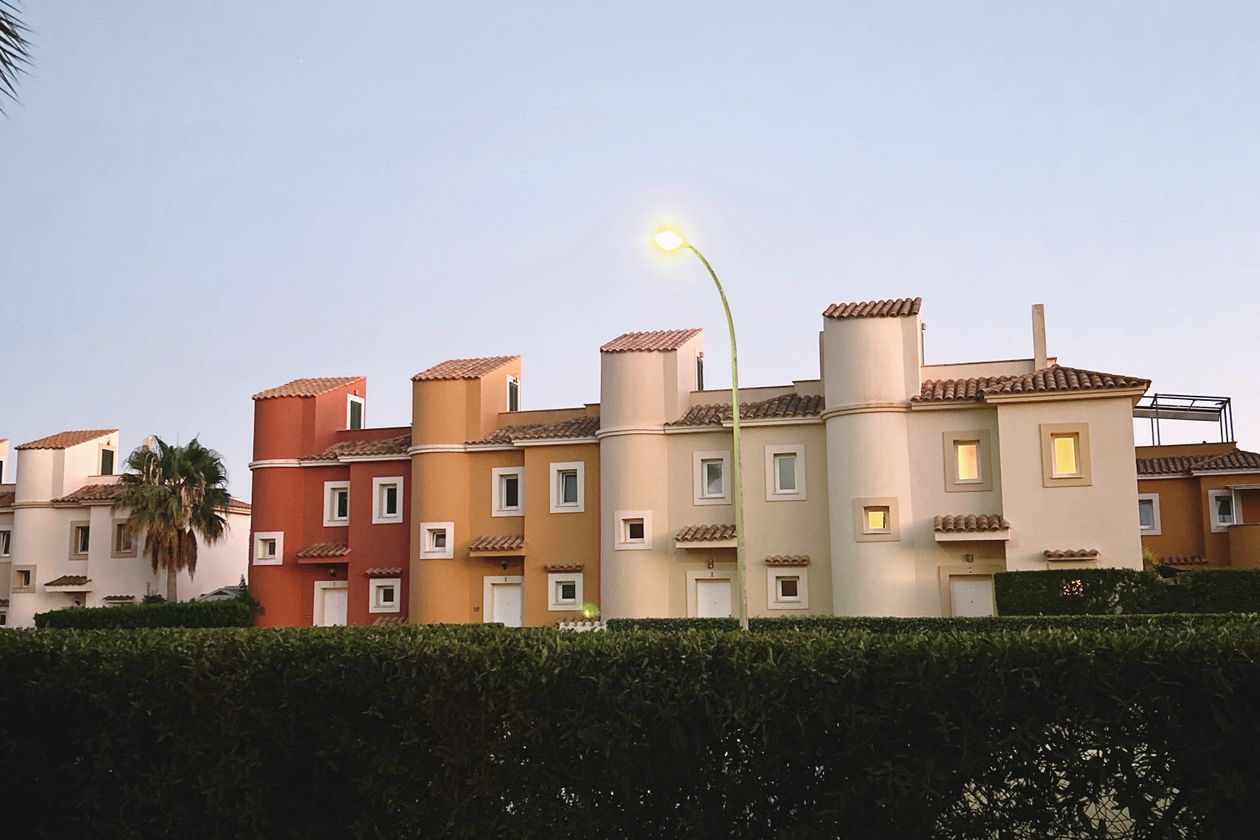
Dove lo spazio a pavimento è scarso, un'unità a parete batte un armadio a pavimento. La custodia sottile trova posto in un ripostiglio o in garage, con il carico di 45 kg sostenuto dalla parete. Per un array su tetto da 3 a 5 kWp, 5,12 kWh è vicino a ciò che una piccola famiglia può spostare da mezzogiorno alla sera.
Backup dei circuiti essenziali durante le interruzioni
Questo è il compito che gli acquirenti notano per primo. Un inverter ibrido si disconnette dalla rete e alimenta un sottoquadro selezionato, così router, frigorifero, illuminazione e sistema di sicurezza restano attivi mentre il resto della casa si spegne. Il dimensionamento è deliberato: 5,12 kWh si adatta ai circuiti prioritari, non a un forno elettrico o all'intero impianto di riscaldamento. L'LCD continua a mostrare lo stato di carica quando la rete telefonica è assente.
Piccolo fotovoltaico su tetto e autoconsumo serale
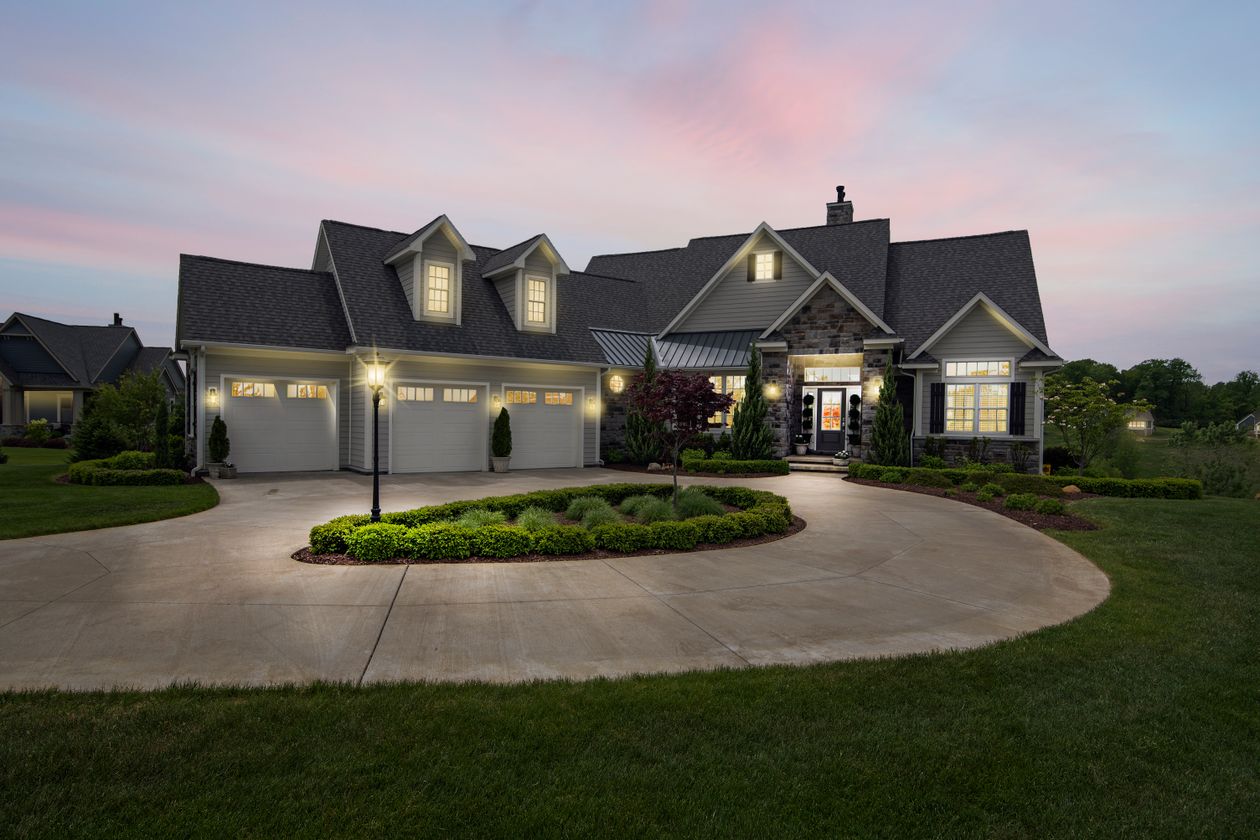
Con un array da 3 a 5 kWp, la produzione di mezzogiorno spesso supera il consumo domestico. La batteria preleva l'eccesso e lo restituisce dopo il tramonto, quando l'energia di rete costa più del credito per l'immissione. Con una tariffa dinamica può anche caricarsi nelle ore a basso prezzo. La gamma di stazioni di alimentazione portatili copre il caso opposto, in cui l'energia si sposta con l'utente.
Case vacanze e lunghe assenze
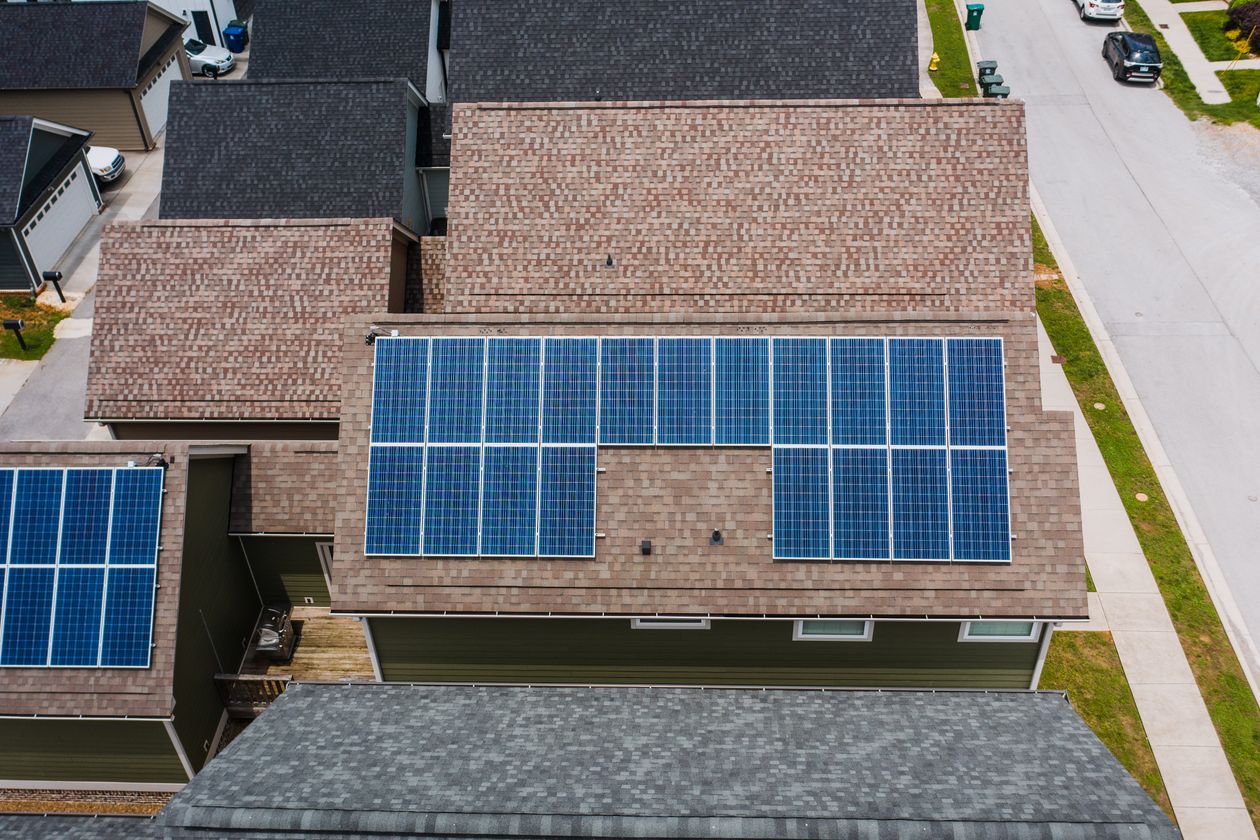
Per una proprietà visitata poche volte l'anno, la batteria mantiene in funzione router, allarme e frigorifero tra una visita e l'altra, con lo stato di carica riportato da remoto. Dove la rete è inaffidabile, ciò evita carichi deteriorati e connessioni di sicurezza fallite senza un generatore che nessuno è lì ad avviare.
Un primo passo su cui costruire
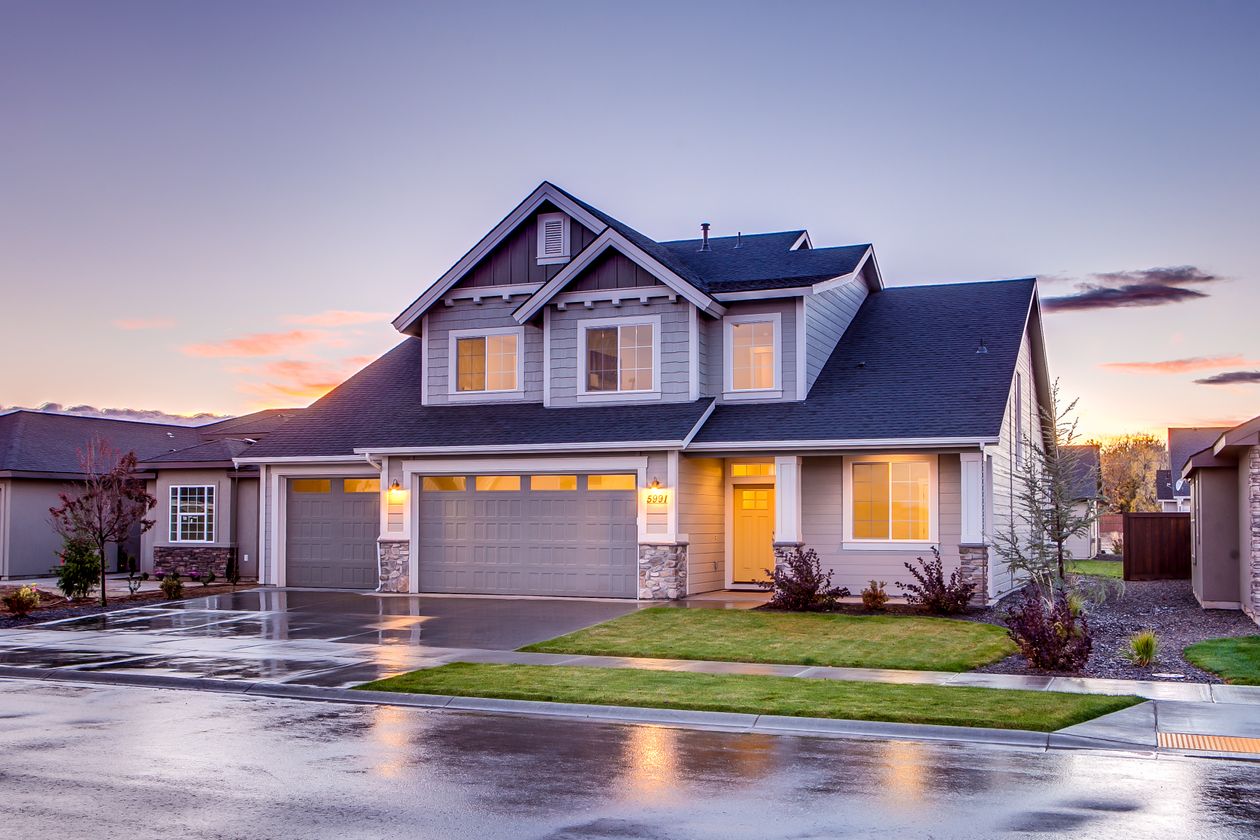
Gli acquirenti spesso partono da 5,12 kWh e aggiungono capacità in seguito. Il passo successivo è un'unità più grande della stessa serie: la batteria domestica impilabile da 10,24 kWh oppure la 15 kWh floor-standing cabinet. Planning the sub-board and protocol for that expansion up front avoids a second installation visit.
What One Full Charge Covers
One full 5.12 kWh charge delivers roughly 4.6 kWh of usable AC energy at 90 percent conversion: about 150 hours for a 30 W router, 31 hours for a 150 W refrigerator or nine hours for a 500 W load. These are illustrative; real appliances cycle and the inverter draws standby power.
Sizing a Night’s Essentials
| Typical circuit | Assumed draw | Illustrative runtime |
|---|---|---|
| Wi-Fi router and modem | 30 W | about 150 hours |
| LED lighting, two rooms | 60 W | about 75 hours |
| Refrigerator, average cycle | 150 W | about 31 hours |
| Mixed essentials, light load | 500 W | about 9 hours |
Add up the wattage of the circuits you want to protect, multiply by expected outage hours and compare with 5.12 kWh. A short evening outage and a two-day blackout call for different sub-boards. The table assumes 90 percent usable AC energy; check inverter efficiency and permitted depth of discharge for your setup.
Key Specifications That Matter
The four numbers that decide fit are 5.12 kWh of capacity, a 40V to 58V operating window, a 460 × 145 × 515 mm wall case at 45 kg, and RS485 or CAN communication to the inverter. Everything else is installation detail.
Electrical and Physical Basics
| Articolo | Classe H096-5kWh | Why it matters |
|---|---|---|
| Capacità | 100Ah / 51.2V, 5.12 kWh LiFePO4 | Sized for essential circuits and evening shifting |
| Intervallo di tensione | 40V to 58V | Must match the hybrid inverter’s battery window |
| Montaggio | A parete, 460 × 145 × 515 mm, 45 kg | No floor space; check wall structure and anchors |
| Interfaccia | LCD, WiFi + Bluetooth app, RS485 / CAN | Local readout plus inverter integration |
| Protezione | IP20; charge −5 to 50 °C, discharge −20 to 50 °C | Dry indoor installation; conditioned space preferred |
| Durata del ciclo | 5,000+ cycles to 80 percent capacity | Confirm the test conditions on the shipped datasheet |
The website’s older table still prints 3,000 cycles under a stricter full-depth test; the 5,000+ figure assumes the standard operating window. Ask which protocol applies and have it written into the quotation. The stamped datasheet shipped with each unit governs.
Certifications and Compliance Documents
The product page lists CE, FCC, RoHS and UN38.3 for this battery, and an order should be backed by dated reports and declarations for the exact model shipped. Standards named on a page and certificates held for a configuration are not the same thing.
What the Product Page Lists
| Articolo | Cosa copre | Buyer’s note |
|---|---|---|
| CE | EU conformity for the applicable directives | Ask for the declaration and the standards referenced |
| FCC | US electromagnetic emissions for the electronics | Request the test report, not just the mark |
| RoHS | Restriction of hazardous substances in electronics | Ask for the current declaration with part numbers |
| UN38.3 | Transport safety test for lithium batteries | Needed for shipping documents and carrier acceptance |
| IP20 | Ingress protection against solid objects | Indoor use only; no water protection |
What to Ask For at Quotation
Request report numbers, issue dates, the exact model designation and the applicant named on each document. For EU deliveries, the Battery Regulation (EU) 2023/1542 introduced new labelling duties from 18 August 2026 and a battery passport for batteries above 2 kWh from 18 February 2027, a scope this 5.12 kWh unit falls inside. Confirm local application with your authority, and do not treat a transport test as product safety certification. No UL listing is claimed for this model.
Wall-Mounted Battery vs Alternatives
For fixed, quiet backup, a 5.12kWh wall-mounted battery stores more energy than a portable station and needs no fuel, though it costs more upfront than grid-only supply. The right comparison depends on where the energy is needed.
Compared with a Portable Power Station
A portable unit wins when power has to travel: camping, a job site or a temporary outage elsewhere. A wall battery is wired into the distribution board, charges from the roof and comes on automatically. For fixed essential circuits the wall unit is more practical; for movable loads, the portable one.
Compared with a Generator or Grid-Only Supply
| Scelta | 5.12 kWh wall battery | Petrol generator |
|---|---|---|
| Noise and fumes | Silent, no local emissions | Engine noise and exhaust |
| Starting | Automatic changeover | Manual start and fuel store |
| Daily cost | Charges from solar or cheap hours | Fuel purchased per run |
| Costo iniziale | Più alto | Più basso |
Grid-only supply has no equipment cost but no protection when the network fails. The all-in-one home battery is the next step when a household wants inverter and pack in one cabinet.
Come scegliere la batteria domestica giusta
Choose a 5.12kWh home battery by matching four things: the circuits you must keep live, the hours you need them, your roof or tariff, and the wall you will fix it to. Capacity alone does not decide whether the installation works.
Five Checks Before You Buy
- List the essential circuits and combined wattage, then multiply by planned outage hours.
- Confirm the inverter’s battery window covers 40V to 58V and supports RS485 or CAN.
- Check the wall can carry 45 kg and a dry, conditioned indoor spot is available.
- Match capacity to roof size: 3 to 5 kWp of PV suits 5.12 kWh.
- Request certification documents with dates and model numbers before ordering.
OEM, ODM e progettazione di sistemi personalizzati
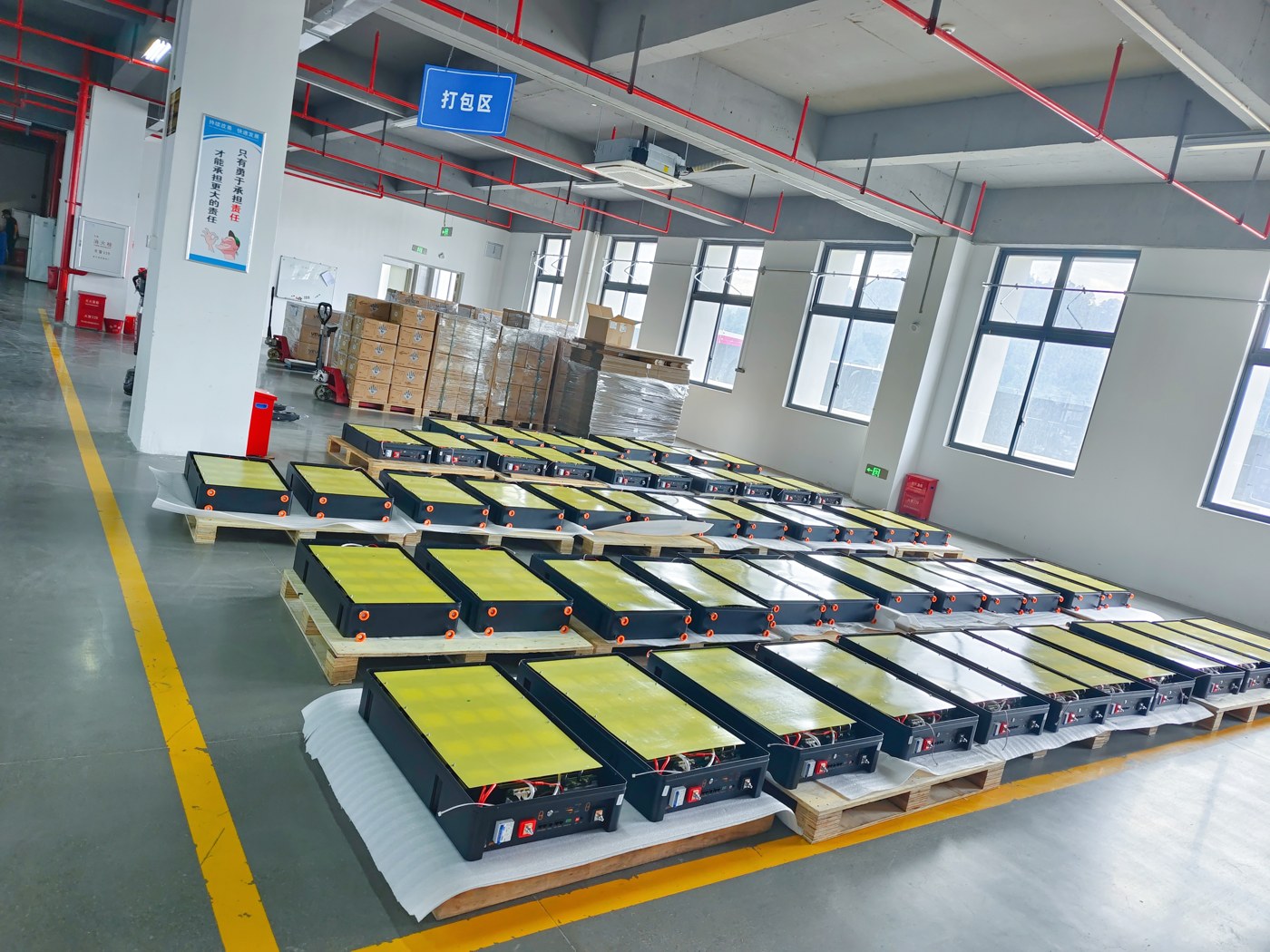
huadaenergy is the source factory for the H096 series, so capacity, enclosure, branding, communication protocol and pack configuration can be built to a distributor’s or installer’s specification. Engineering reviews the target market’s tariff and installation practice and proposes a system design rather than shipping a catalog unit. Every pack is inspected and full-function tested before it leaves the line.
Domande frequenti
Per quanto tempo una batteria domestica da 5,12 kWh alimenterà la mia casa?
Non alimenterà un'intera casa a pieno carico. Per i circuiti essenziali come router, frigorifero, illuminazione e sicurezza, una carica completa dura dalle circa nove ore con un assorbimento di 500 W a diversi giorni con un carico molto basso. Sommate i vostri circuiti per ottenere una stima realistica.
Posso collegarlo a qualsiasi inverter solare?
No. The battery runs over a 40V to 58V window and talks to the inverter over RS485 or CAN, so the inverter must support that range and protocol. Confirm compatibility with the supplier before ordering.
Posso installarlo da solo?
L'unità è a montaggio murale, ma il lavoro elettrico deve essere eseguito da un installatore qualificato in grado di dimensionare il sottoquadro, impostare il commutatore e verificare la struttura della parete. IP20 significa inoltre che deve essere collocata in un luogo interno asciutto.
Cosa significa la cifra di oltre 5.000 cicli?
Significa che si prevede che le celle mantengano più dell'80 percento della capacità originale dopo 5.000 cicli di carica-scarica nelle condizioni dichiarate. Richiedere la profondità di scarica e la temperatura utilizzate nel test, poiché queste modificano il risultato.
È sicuro montarlo in ambienti interni?
Sì, se installato come specificato: le celle LiFePO4 sono scelte per la stabilità termica, il BMS monitora tensione, corrente e temperatura, e IP20 è una classificazione per uso interno. Mantenere l'unità in uno spazio climatizzato e seguire le normative elettriche e antincendio locali.
Supportate ordini OEM e ODM?
Yes. huadaenergy customises capacity, appearance, branding and communication protocols, and can propose a system design around a distributor’s or installer’s requirements. Send the target market and volumes for a quotation.
Informazioni su huadaenergy
Fabbrica di origine e supporto
huadaenergy builds the H096 home series in Huizhou, with cell traceability, in-line inspection and full-function testing before shipment. Distributors and installers can request a datasheet, certificate pack and system design proposal through the pagina contatti, or browse the 5.12 kWh product page for the base configuration.
Last updated: 2026-11-25