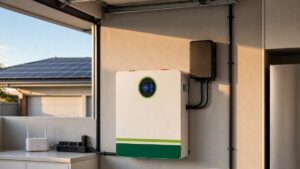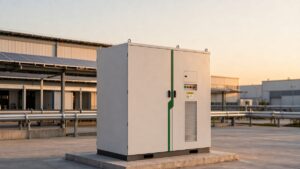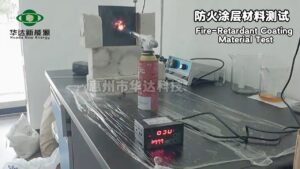
A 5.12kWh home battery keeps a small household’s essential circuits running overnight without giving up floor space. The huadaenergy H096-5kWh class packs 51.2V and 100Ah of LiFePO4 into a 460 × 145 × 515 mm case that hangs on a wall at 45 kg, with an LCD and WiFi or Bluetooth to a phone app. It is the entry point of the H096 home series, built for apartments, starter homes and households that want dependable backup now and more capacity later. This guide follows where those 5.12 kWh go and what to confirm before ordering.
What Is a 5.12kWh Home Battery?
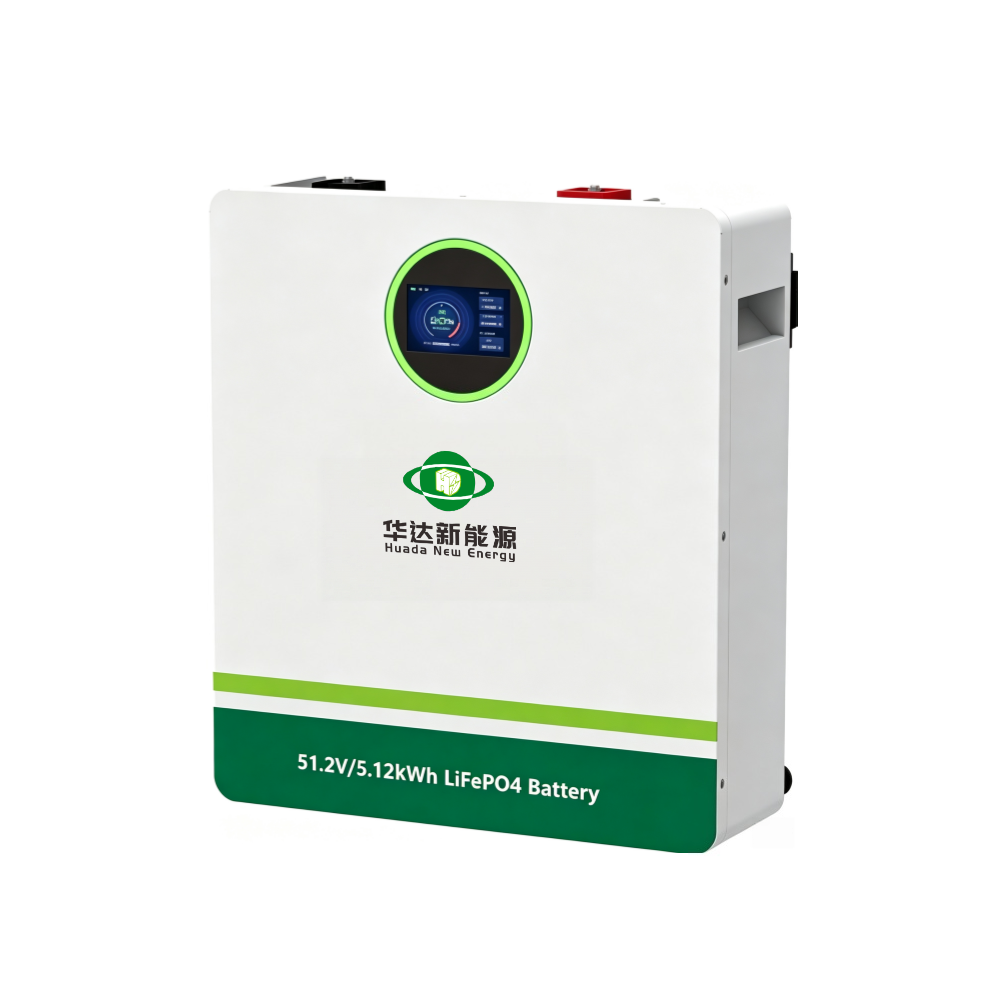
A 5.12kWh home battery is a wall-mounted lithium iron phosphate pack with a management system that stores solar or off-peak grid energy and releases it to chosen circuits through a hybrid inverter. The 5.12 kWh figure is 51.2 volts times 100 amp-hours; the pack runs across a 40V to 58V window and talks to the inverter over RS485 or CAN.
The Wall-Mounted Format
At 45 kg and 145 mm deep, the unit fixes to a wall next to the distribution board, keeping DC cable runs short and leaving the floor clear. A circular LCD shows state of charge, voltage and alarms; WiFi and Bluetooth feed the same data to the app. IP20 protection means a dry, conditioned indoor space rather than outdoors.
Why Home Backup Is Moving Up the Agenda in 2026
Residential storage is recovering in 2026 because lower export payments, dynamic tariffs and grid congestion make a stored kilowatt-hour at home more useful than one sold back to the grid. The economics that drove the last peak have changed shape, not disappeared.
What Changed for Households
SolarPower Europe’s European Battery Market Outlook 2026-2030 reports that Europe installed 36 GWh of battery storage in 2025, up 48 percent, taking the cumulative fleet past 100 GWh. Residential installations are forecast to recover to 13.2 GWh in 2026, supported by dynamic tariffs, lower export payments and grid congestion. The EU solar-to-battery ratio stands at 8:1 in 2025, improved from 10:1 in 2024 but still far from balance. The IEA’s Renewables 2026, published on 6 November 2026, counted roughly 3,000 GW of projects waiting for grid connections, about 60 percent more than a year earlier. A household battery is no cure for a congested network, but it lets a home make more of the power and tariff it already has.
Time-of-use pricing is the second driver. In Germany, section 41a of the Energy Industry Act has required suppliers to offer a dynamic tariff to smart-meter customers since 1 January 2025, and the day-ahead market moved to 96 quarter-hour slots on 1 October 2025. Federal Network Agency figures cited in 2026 put smart-meter coverage under 6 percent, so the opportunity is still rolling out.
Five Real-World Use Cases
A 5.12kWh home battery fits five situations especially well: compact living, essential-circuit backup, small rooftop solar, unoccupied holiday homes, and as a first block in a system that will grow. Each one uses the same hardware differently.
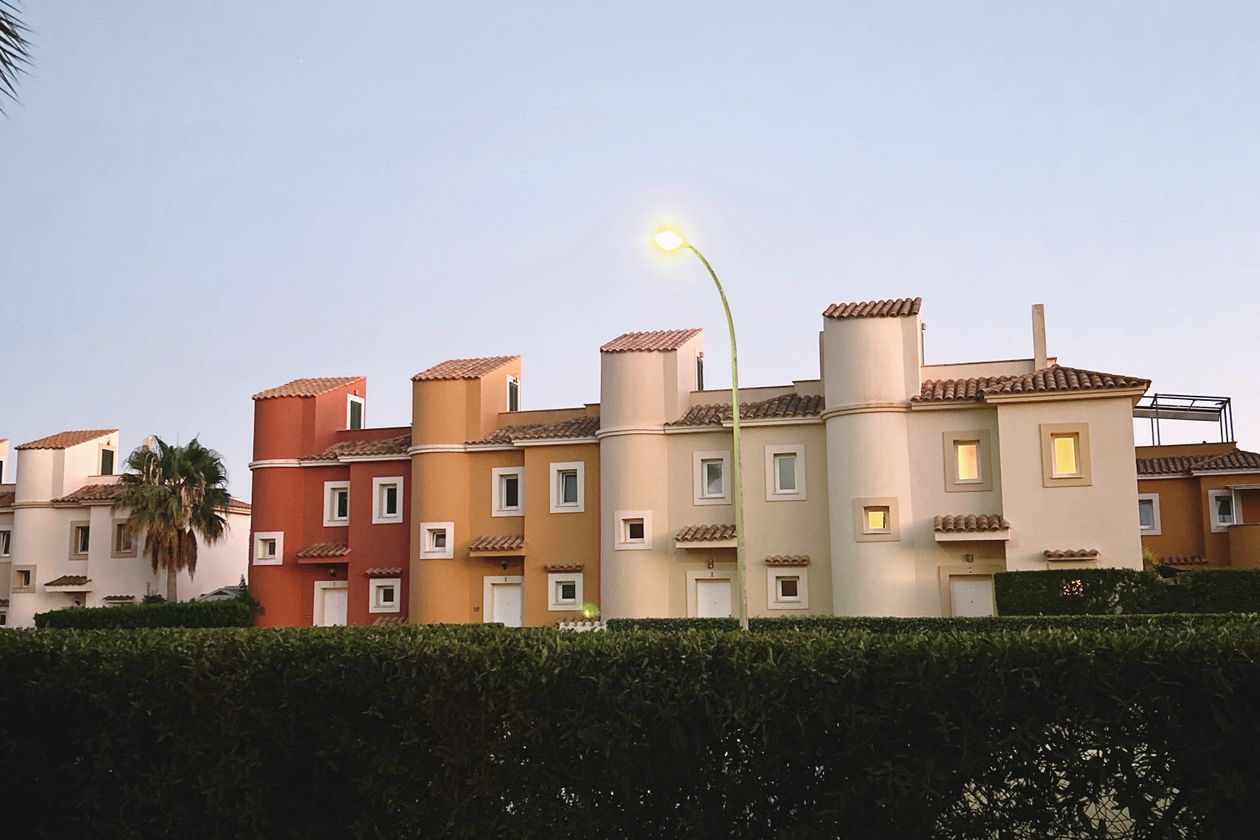
Apartment and Starter Home
Where floor area is scarce, a wall-hung unit beats a floor-standing cabinet. The slim case sits in a utility cupboard or garage, with the 45 kg load carried by the wall. For a 3 to 5 kWp rooftop array, 5.12 kWh is close to what a small household can shift from midday into the evening.
Essential-Circuit Backup During Outages
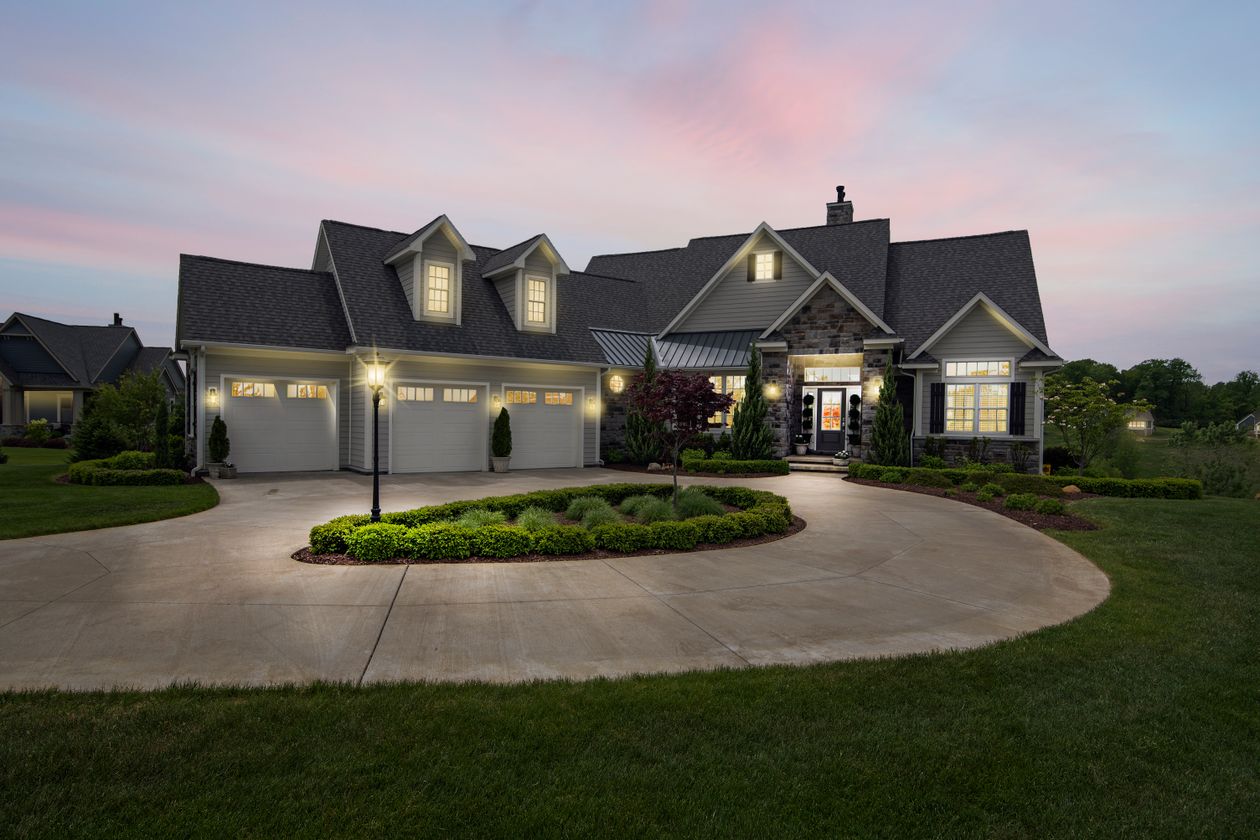
This is the job buyers notice first. A hybrid inverter disconnects from the grid and feeds a chosen sub-board, so the router, refrigerator, lighting and security system stay live while the rest of the house goes dark. Sizing is deliberate: 5.12 kWh suits priority circuits, not an electric oven or whole heating system. The LCD still shows state of charge when the phone network is down.
Small Rooftop PV and Evening Self-Consumption
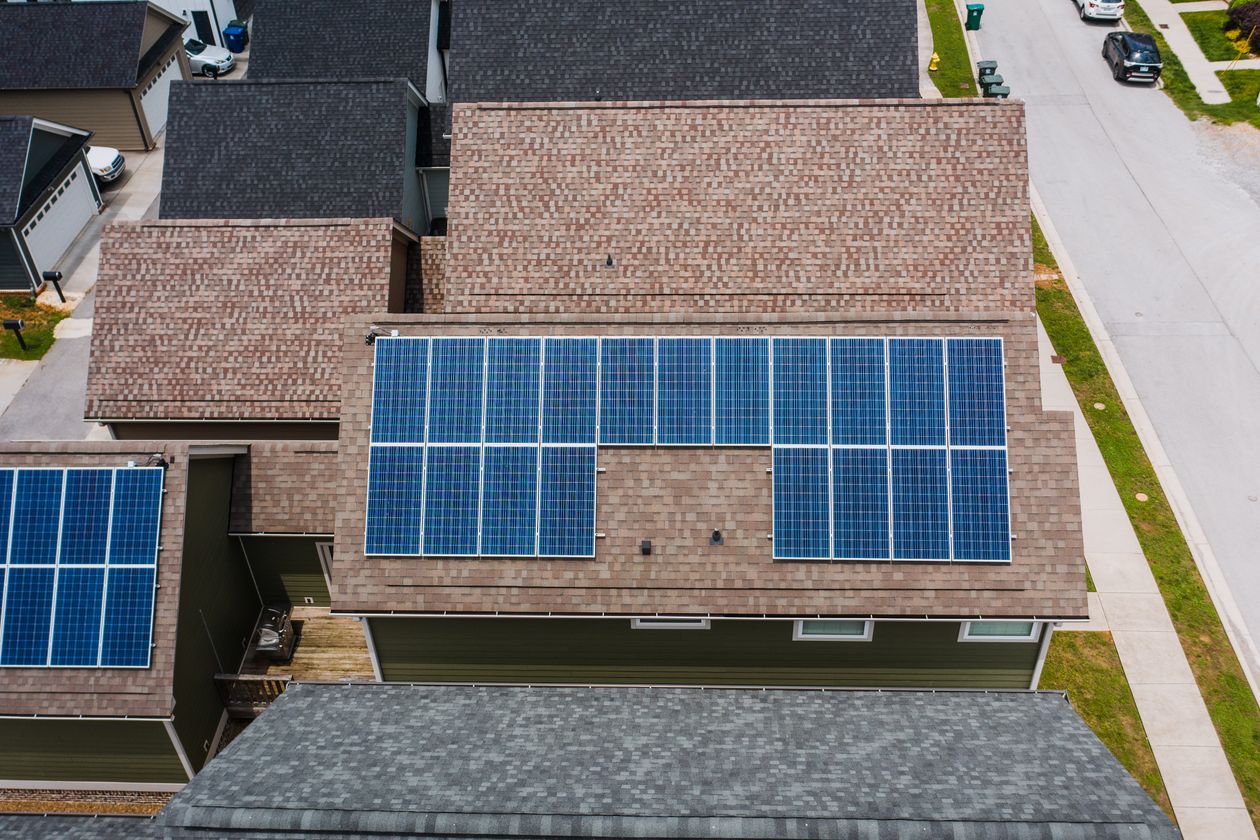
With a 3 to 5 kWp array, midday generation often exceeds household use. The battery takes the surplus and returns it after sunset, when grid power costs more than the feed-in credit. On a dynamic tariff it can also charge in low-price hours. The gama de estaciones de energía portátiles covers the opposite case, where energy moves with the user.
Holiday Homes and Long Absences
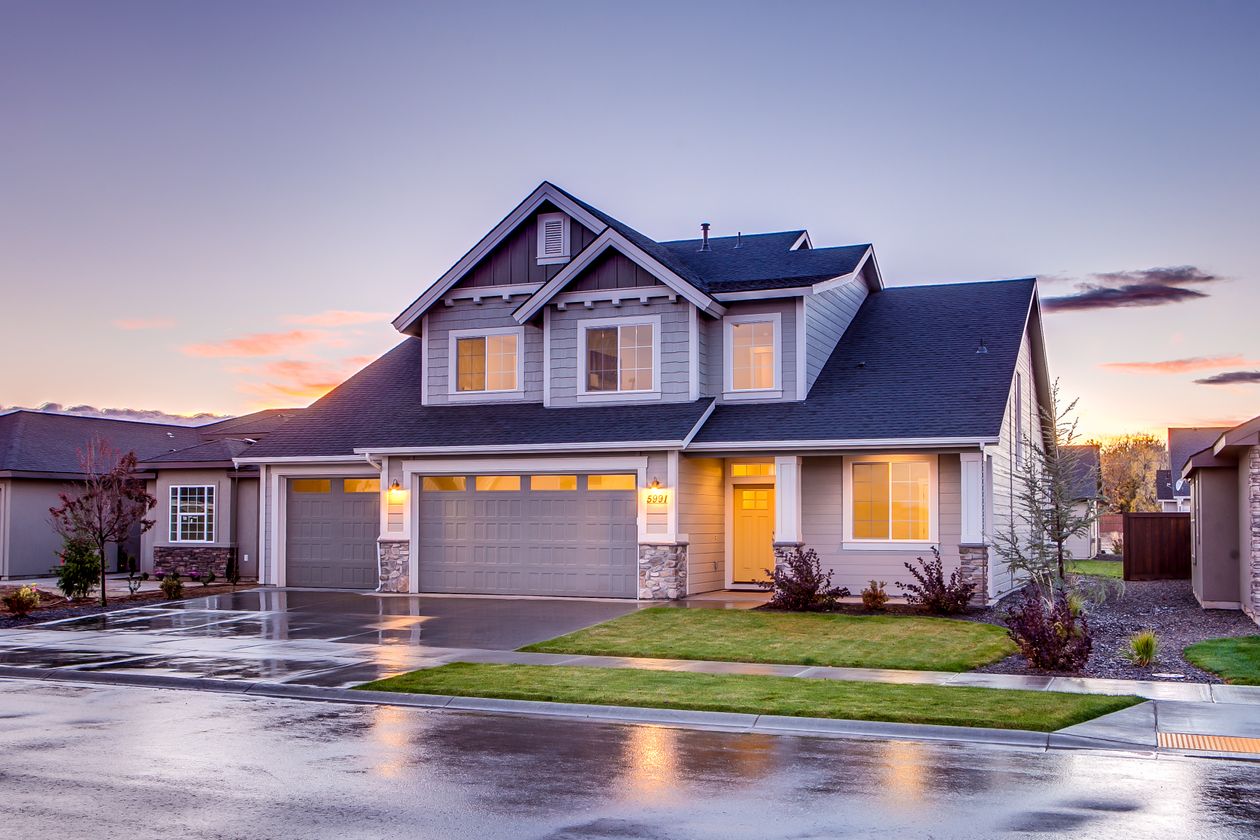
For a property visited a few times a year, the battery keeps a router, alarm and refrigerator running between visits, with state of charge reported remotely. Where the grid is unreliable, that avoids spoiled loads and failed security connections without a generator nobody is there to start.
A First Step You Can Build On
Buyers often start at 5.12 kWh and add capacity later. The next step is a larger unit in the same series: the 10.24 kWh stackable home battery o la 15 kWh floor-standing cabinet. Planning the sub-board and protocol for that expansion up front avoids a second installation visit.
What One Full Charge Covers
One full 5.12 kWh charge delivers roughly 4.6 kWh of usable AC energy at 90 percent conversion: about 150 hours for a 30 W router, 31 hours for a 150 W refrigerator or nine hours for a 500 W load. These are illustrative; real appliances cycle and the inverter draws standby power.
Sizing a Night’s Essentials
| Typical circuit | Assumed draw | Illustrative runtime |
|---|---|---|
| Wi-Fi router and modem | 30 W | about 150 hours |
| LED lighting, two rooms | 60 W | about 75 hours |
| Refrigerator, average cycle | 150 W | about 31 hours |
| Mixed essentials, light load | 500 W | about 9 hours |
Add up the wattage of the circuits you want to protect, multiply by expected outage hours and compare with 5.12 kWh. A short evening outage and a two-day blackout call for different sub-boards. The table assumes 90 percent usable AC energy; check inverter efficiency and permitted depth of discharge for your setup.
Key Specifications That Matter
The four numbers that decide fit are 5.12 kWh of capacity, a 40V to 58V operating window, a 460 × 145 × 515 mm wall case at 45 kg, and RS485 or CAN communication to the inverter. Everything else is installation detail.
Electrical and Physical Basics
| Artículo | H096-Clase 5 kWh | Why it matters |
|---|---|---|
| Capacidad | 100Ah / 51.2V, 5.12 kWh LiFePO4 | Sized for essential circuits and evening shifting |
| Rango de voltaje | 40V to 58V | Must match the hybrid inverter’s battery window |
| Montaje | Montaje en pared, 460 × 145 × 515 mm, 45 kg | No floor space; check wall structure and anchors |
| Interfaz | LCD, WiFi + Bluetooth app, RS485 / CAN | Local readout plus inverter integration |
| Protección | IP20; charge −5 to 50 °C, discharge −20 to 50 °C | Dry indoor installation; conditioned space preferred |
| Vida útil | 5,000+ cycles to 80 percent capacity | Confirm the test conditions on the shipped datasheet |
The website’s older table still prints 3,000 cycles under a stricter full-depth test; the 5,000+ figure assumes the standard operating window. Ask which protocol applies and have it written into the quotation. The stamped datasheet shipped with each unit governs.
Certifications and Compliance Documents
The product page lists CE, FCC, RoHS and UN38.3 for this battery, and an order should be backed by dated reports and declarations for the exact model shipped. Standards named on a page and certificates held for a configuration are not the same thing.
What the Product Page Lists
| Artículo | Qué cubre | Buyer’s note |
|---|---|---|
| CE | EU conformity for the applicable directives | Ask for the declaration and the standards referenced |
| FCC | US electromagnetic emissions for the electronics | Request the test report, not just the mark |
| RoHS | Restriction of hazardous substances in electronics | Ask for the current declaration with part numbers |
| UN38.3 | Transport safety test for lithium batteries | Needed for shipping documents and carrier acceptance |
| IP20 | Ingress protection against solid objects | Indoor use only; no water protection |
What to Ask For at Quotation
Request report numbers, issue dates, the exact model designation and the applicant named on each document. For EU deliveries, the Battery Regulation (EU) 2023/1542 introduced new labelling duties from 18 August 2026 and a battery passport for batteries above 2 kWh from 18 February 2027, a scope this 5.12 kWh unit falls inside. Confirm local application with your authority, and do not treat a transport test as product safety certification. No UL listing is claimed for this model.
Wall-Mounted Battery vs Alternatives
For fixed, quiet backup, a 5.12kWh wall-mounted battery stores more energy than a portable station and needs no fuel, though it costs more upfront than grid-only supply. The right comparison depends on where the energy is needed.
Compared with a Portable Power Station
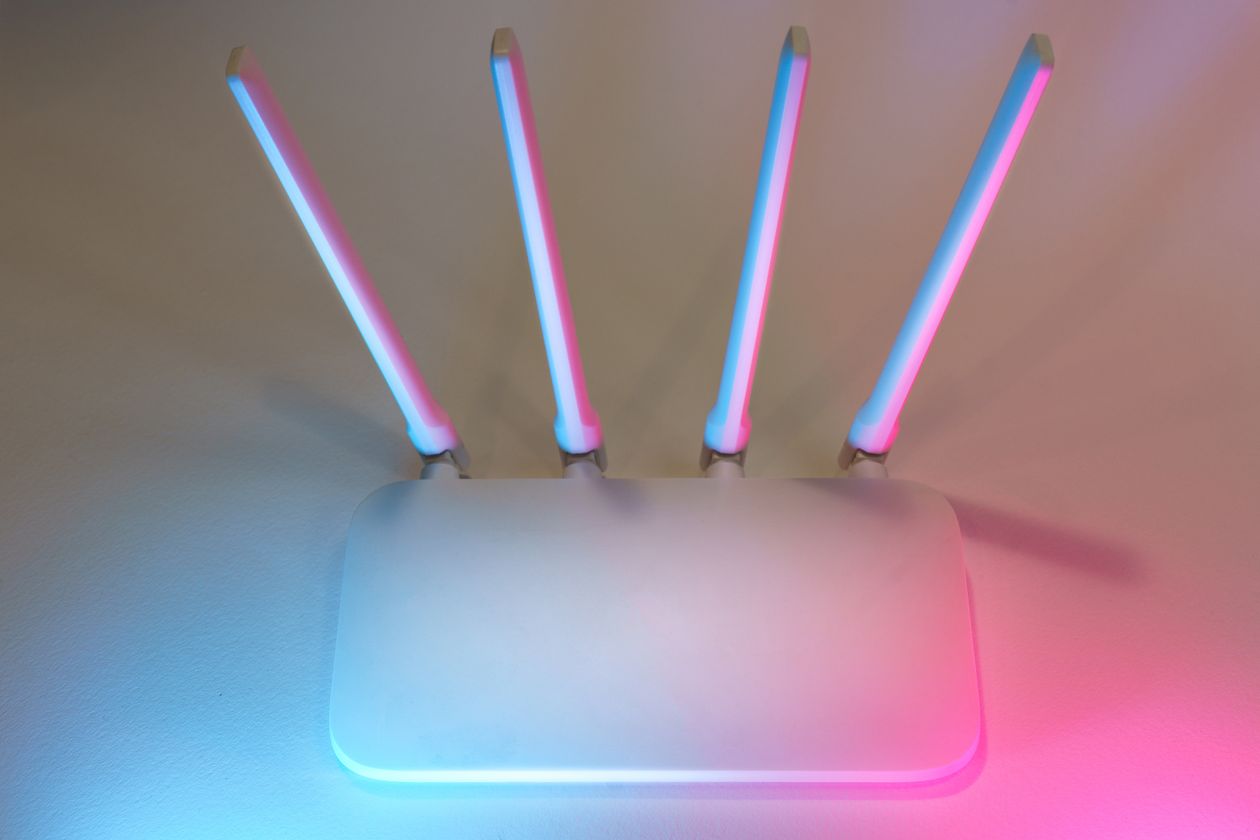
A portable unit wins when power has to travel: camping, a job site or a temporary outage elsewhere. A wall battery is wired into the distribution board, charges from the roof and comes on automatically. For fixed essential circuits the wall unit is more practical; for movable loads, the portable one.
Compared with a Generator or Grid-Only Supply
| Elección | 5.12 kWh wall battery | Petrol generator |
|---|---|---|
| Noise and fumes | Silent, no local emissions | Engine noise and exhaust |
| Starting | Automatic changeover | Manual start and fuel store |
| Daily cost | Charges from solar or cheap hours | Fuel purchased per run |
| Costo inicial | Más alto | Más bajo |
Grid-only supply has no equipment cost but no protection when the network fails. The all-in-one home battery is the next step when a household wants inverter and pack in one cabinet.
Cómo elegir la batería doméstica adecuada
Choose a 5.12kWh home battery by matching four things: the circuits you must keep live, the hours you need them, your roof or tariff, and the wall you will fix it to. Capacity alone does not decide whether the installation works.
Five Checks Before You Buy
- List the essential circuits and combined wattage, then multiply by planned outage hours.
- Confirm the inverter’s battery window covers 40V to 58V and supports RS485 or CAN.
- Check the wall can carry 45 kg and a dry, conditioned indoor spot is available.
- Match capacity to roof size: 3 to 5 kWp of PV suits 5.12 kWh.
- Request certification documents with dates and model numbers before ordering.
Diseño de sistemas OEM, ODM y personalizados
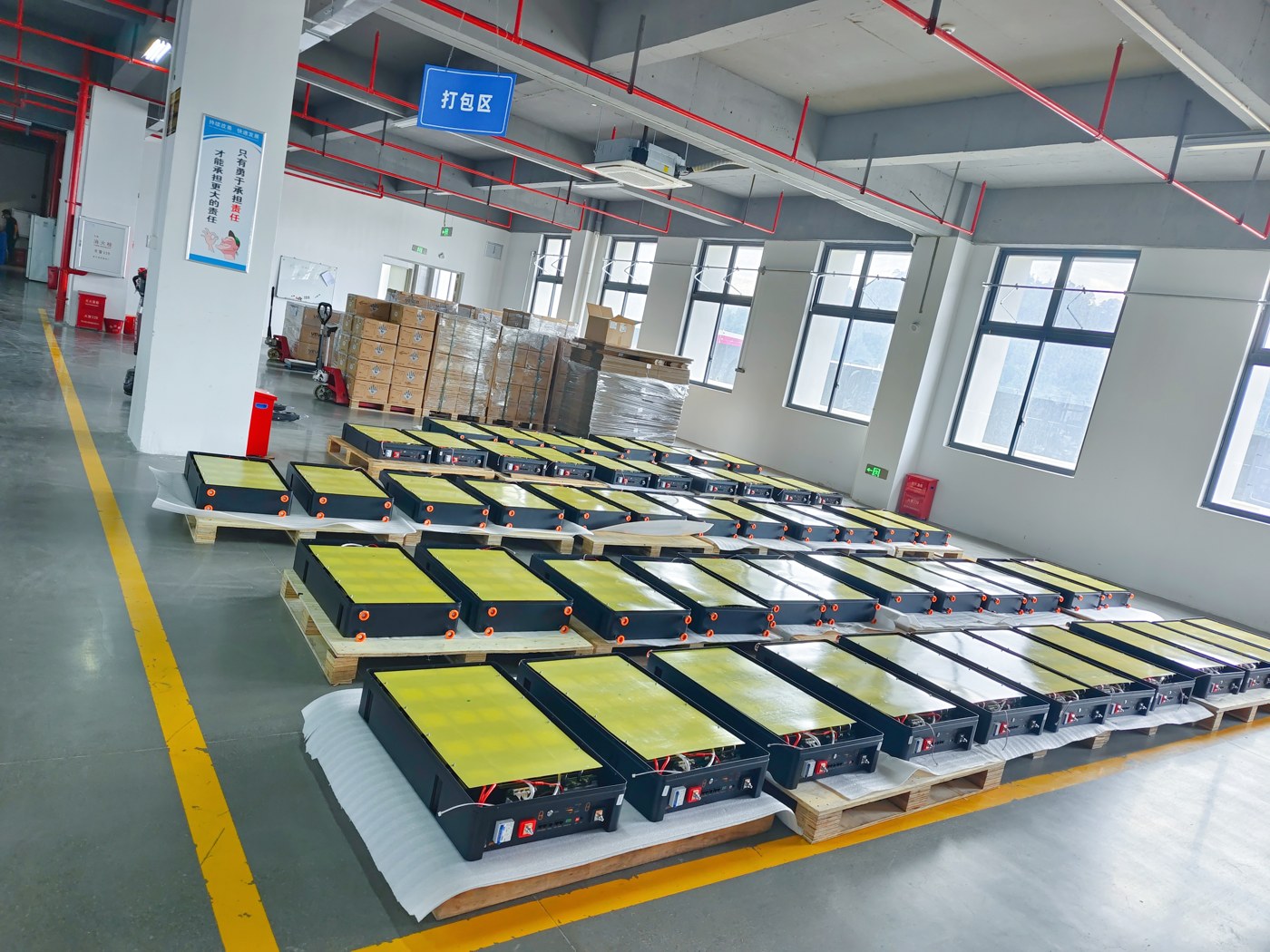
huadaenergy is the source factory for the H096 series, so capacity, enclosure, branding, communication protocol and pack configuration can be built to a distributor’s or installer’s specification. Engineering reviews the target market’s tariff and installation practice and proposes a system design rather than shipping a catalog unit. Every pack is inspected and full-function tested before it leaves the line.
Preguntas frecuentes
¿Cuánto tiempo alimentará una batería doméstica de 5,12 kWh mi casa?
No alimentará una casa entera a plena carga. Para circuitos esenciales como un router, un refrigerador, la iluminación y la seguridad, una carga completa dura desde aproximadamente nueve horas con un consumo de 500 W hasta varios días con muy baja carga. Sume sus propios circuitos para obtener una cifra realista.
¿Puedo conectarlo a cualquier inversor solar?
No. The battery runs over a 40V to 58V window and talks to the inverter over RS485 or CAN, so the inverter must support that range and protocol. Confirm compatibility with the supplier before ordering.
¿Puedo instalarlo yo mismo?
La unidad es de montaje mural, pero el trabajo eléctrico debe ser realizado por un instalador cualificado que pueda dimensionar el subcuadro, configurar el conmutador y verificar la estructura de la pared. IP20 también significa que debe ubicarse en un lugar interior seco.
¿Qué significa la cifra de más de 5.000 ciclos?
Significa que se espera que las celdas conserven más del 80 por ciento de su capacidad original tras 5.000 ciclos de carga y descarga en las condiciones indicadas. Solicite la profundidad de descarga y la temperatura utilizadas en la prueba, ya que estos factores modifican el resultado.
¿Es seguro montarlo en interiores?
Sí, cuando se instala según las especificaciones: las celdas LiFePO4 se eligen por su estabilidad térmica, el BMS monitorea voltaje, corriente y temperatura, e IP20 es una clasificación para interiores. Mantenga la unidad en un espacio acondicionado y cumpla con las normas eléctricas y de incendios locales.
¿Apoyan pedidos OEM y ODM?
Yes. huadaenergy customises capacity, appearance, branding and communication protocols, and can propose a system design around a distributor’s or installer’s requirements. Send the target market and volumes for a quotation.
Acerca de huadaenergy
Fábrica de origen y soporte
huadaenergy builds the H096 home series in Huizhou, with cell traceability, in-line inspection and full-function testing before shipment. Distributors and installers can request a datasheet, certificate pack and system design proposal through the página de contacto, or browse the 5.12 kWh product page for the base configuration.
Last updated: 2026-11-25