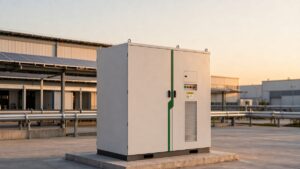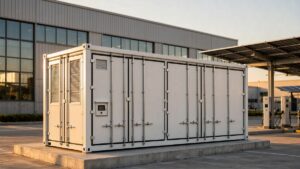
A Armadio BESS da 215 kWh è la dimensione pratica per una fabbrica o un sito di ricarica che deve ridurre la domanda di picco senza attendere anni per una connessione alla rete. L'huadaenergy H098-215kWh racchiude 215 kWh di LiFePO4, un PCS da 100 kW, un MPPT solare da 120 kW, raffreddamento ad aria e l'EMS in un unico armadio IP55 che arriva collaudato in fabbrica. Questo conta nel 2026: l'AIE ha riportato circa 3.000 GW di progetti di generazione e stoccaggio in attesa nelle code di interconnessione, mentre BloombergNEF ha alzato la sua previsione di installazioni per il 2026 a 188 GW/535 GWh. Questa guida copre cosa fa l'armadio, cosa dicono effettivamente i suoi fascicoli di certificazione, dove si ripaga e cosa confermare prima di ordinare.
Cos'è un armadio BESS da 215 kWh?
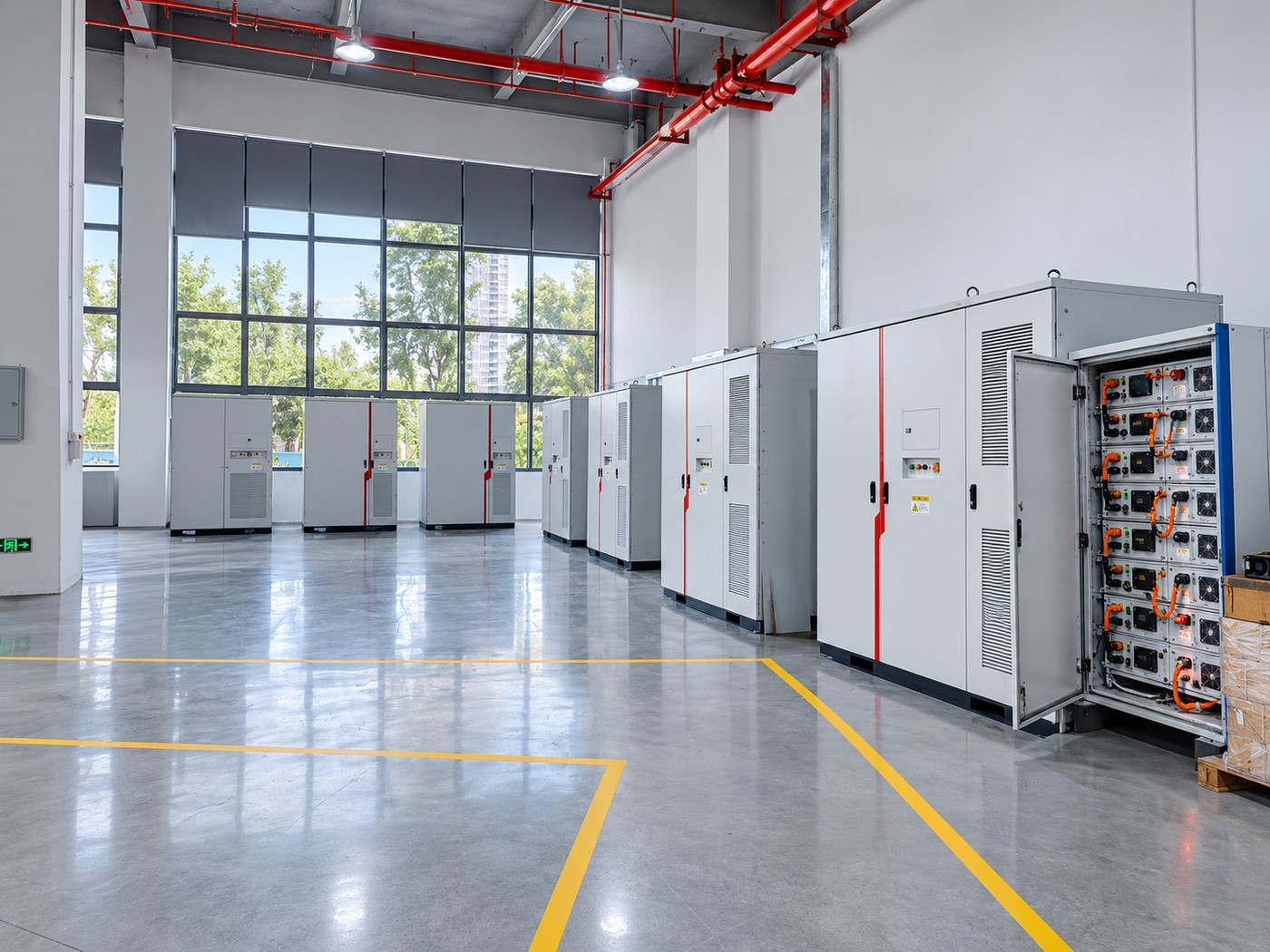
Un armadio BESS da 215 kWh è un singolo involucro esterno che contiene celle al litio, un BMS, un PCS e un EMS, pronto a collegare solare, rete e carichi del sito. L'acquirente riceve un'unità collaudata in fabbrica; il lavoro in sito consiste in una platea, cablaggi e un allacciamento alla rete.
L'architettura a singolo armadio
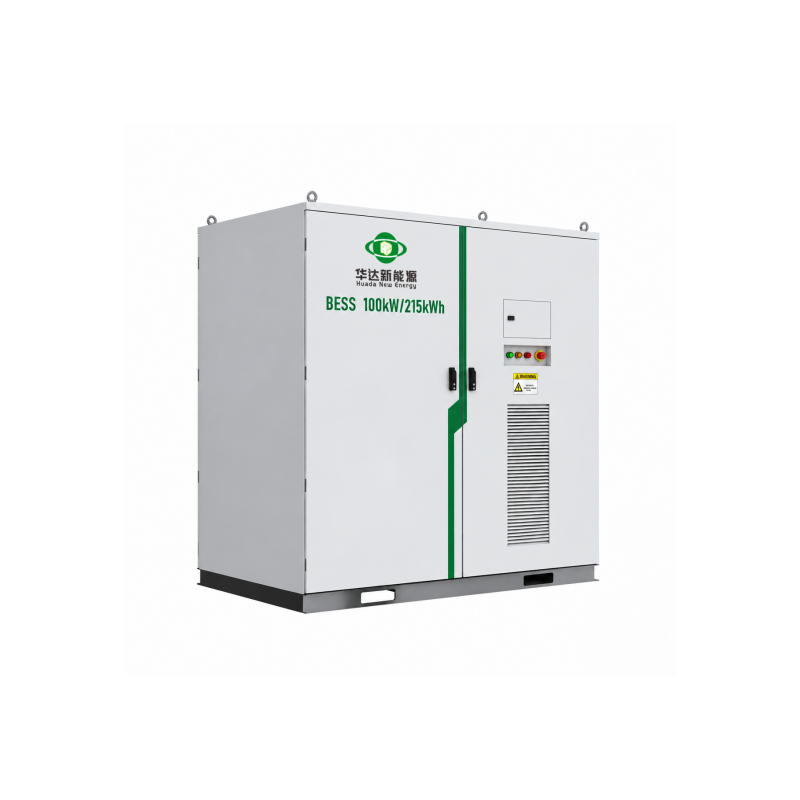
All'interno dell'H098-215kWh, una batteria LiFePO4 da 768 V DC a 280 Ah alimenta un PCS bidirezionale da 100 kW con uscita 3P+N+PE, 400 V. L'MPPT integrato accetta direttamente il solare rooftop, quindi non è necessario un inverter PV separato. L'EMS sceglie quando caricare da energia di rete a basso costo o da solare in eccesso e quando scaricare. RS485 o CAN gestiscono la comunicazione locale, mentre una piattaforma cloud trasporta allarmi e dati.
Dove si colloca nella gamma H098
La piattaforma H098 copre da 50 a 315 kWh in cinque taglie. Il modello da 215 kWh eroga potenza a 100 kW, offrendo poco più di due ore di scarica completa — un taglio intermedio per siti il cui picco dura un turno. L' armadio da 315 kWh è adatto a domanda più elevata; i modelli da 50 e 100 kWh si adattano a carichi più piccoli.
Perché le code di rete rendono lo stoccaggio in sito una priorità per il 2026
L'interconnessione alla rete è diventata il vincolo determinante per i nuovi progetti energetici, ed è per questo che un armadio BESS da 215 kWh dietro il contatore sta passando da opzionale a routine per gli acquirenti commerciali. Un armadio sul proprio sito non necessita di una nuova sottostazione per iniziare a risparmiare.
Il collo di bottiglia dell'interconnessione
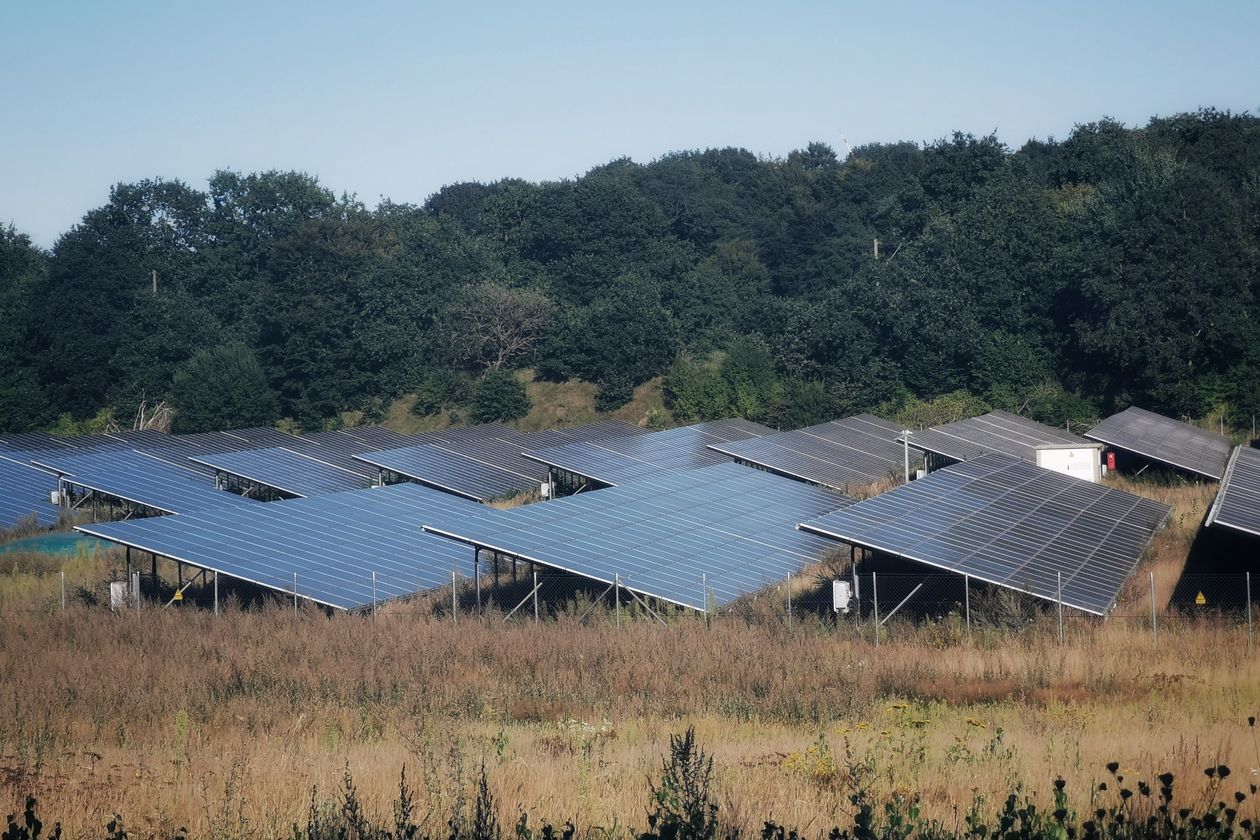
Il Renewables 2026 rapporto dell'AIE, pubblicato il 6 novembre 2026, ha stimato circa 3.000 GW di capacità eolica, solare, di batterie e ibrida nelle code di connessione a livello mondiale — circa il 60 percento in più rispetto a un anno prima e circa un terzo della capacità globale esistente. I progetti di stoccaggio e ibridi hanno fornito circa il 60 percento dell'incremento, e il rapporto prevede quasi 4.800 GW di aggiunte rinnovabili per il 2026–2031. Quando una nuova immissione in rete non può essere energizzata rapidamente, lo stoccaggio dietro il contatore diventa la via più rapida.
Cosa aggiunge la previsione 2026 di BNEF
L' Energy Storage Market Outlook H2 2026, di BloombergNEF, pubblicato il 22 ottobre 2026, ha alzato la previsione per il 2026 a 188 GW/535 GWh, circa il 45 percento in più rispetto al 2025. Ha segnalato la localizzazione della catena di approvvigionamento, la co-ubicazione solare-più-stoccaggio e un forte aumento del prezzo del litio tra ottobre 2025 e maggio 2026. Lo stoccaggio per data center era previsto crescere da 0,5 GW nel 2025 a 4,9 GW nel 2026. Per gli acquirenti di medie dimensioni, i tempi di consegna e il rischio di prezzo ora contano quanto il costo delle celle.
Specifiche chiave e cosa significano
L'H098-215kWh eroga 215 kWh a 768 V DC attraverso un PCS da 100 kW, offrendo poco più di due ore a potenza nominale con spazio per fino a 120 kW di PV diretto. La tabella sottostante utilizza i valori pubblicati nella pagina del prodotto.
Potenza, autonomia e ingombro
| Articolo | H098-215 kWh | Cosa significa sul sito |
|---|---|---|
| Energia nominale | 215 kWh (280 Ah, 768 V DC) | Circa due ore di supporto a 100 kW |
| Uscita PCS | 100 kW, 138 A, 3P+N+PE / 400 V | Dimensionato per il picco di una fabbrica di medie dimensioni |
| Ingresso FV | Fino a 120 kW, 850 V max, MPPT 200–950 V | Il solare rooftop si collega senza un altro inverter |
| Involucro | IP55, 1910 × 1297 × 2414 mm, 2850 kg | Meno di 2,5 m²; installazione a terra all'esterno |
| Temperatura | Carica 0–50 °C; scarica −20–55 °C | Adatto a cortili industriali non climatizzati |
| Comunicazione | RS485 / CAN più monitoraggio cloud | Compatibile con SCADA o EMS esistenti |
Ingresso solare, raffreddamento e protezione
Il raffreddamento ad aria elimina il circuito del refrigerante, i rabbocchi e il rischio di perdite dei sistemi liquidi, al costo di temperature leggermente meno uniformi sotto carico elevato prolungato — spesso il fattore decisivo per un sito senza un team di manutenzione. L'MPPT accetta fino a 120 kW di PV a 200–950 V, quindi la carica da PV e da rete fuori picco funzionano in parallelo. Verificare i valori rispetto alla scheda tecnica timbrata.
Certificazioni: cosa coprono i documenti
I fascicoli di certificazione agli atti per la piattaforma da 215 kWh coprono la sicurezza delle batterie, la compatibilità elettromagnetica, le apparecchiature a bassa tensione e la RoHS, ma vanno letti come evidenza di prova su campioni denominati piuttosto che come approvazione generalizzata di ogni configurazione. Richiedere il documento corretto in anticipo evita ritardi nelle gare successive.
Rapporti di prova di sicurezza ed EMC agli atti
| Documento | Riferimento / data | Ambito di applicazione |
|---|---|---|
| Rapporto di prova di sicurezza IEC 63056:2020 | KS2506S2694B, 18 Jul 2025; revised KS2506S2694BX1, 17 Jan 2026 | 215 kWh LFP cabinet, model LEM-215KWH-LFP, 768 V / 280 Ah |
| Low Voltage Directive verification | KS2506S2695SC, Directive 2014/35/EU | IEC 62477-1:2022 and EN 62477-1:2012+A11+A1+A12 |
| EMC test report | KS2506S2696E, 18 Jul 2025, result PASS | EN IEC 61000-6-1/-2/-3/-4 |
| Verification of conformity | KS2506S2697SC | IEC 62933-5-2:2020 with IEC TS 62933-5-1:2017 |
| RoHS declaration and report | DTI2025EE040711C; CNAS report DTI2025EE040711D, 23 Dec 2025 | EU 2011/65/EU and (EU) 2015/863 |
| SIRIM / MyHIJAU | Listed on the product page | Malaysian market listing; request current mark approval |
The reports name Huizhou Huada as manufacturer and a Malaysian partner as applicant, and cover only samples tested. The product page also lists IEC 62933-2-1:2017, EN 61000-6, UN38.3, MSDS and RoHS 2.0. For tenders, ask for the current stamped set and confirm which entity should hold each document. A test report is not a product listing, and no UL 9540 listing is claimed.
What Buyers Should Verify at Quotation
Request report numbers, dates, model designations and UN38.3 documents for the shipped unit. If your authority needs a local mark or system-level listing, say so at enquiry so the factory can quote the right test package.
Fire Safety: A Passive Layer Behind the Cabinet
A fire-resistant coating is a passive back-up layer, not a substitute for system-level fire testing, and 2026 raised what North American approvers expect to see. It belongs in a stack that starts at the cell, not at the top of a specification sheet.
Why 2026 Raised the Bar
ANSI/CAN/UL 9540A edition six was published 13 March 2026, and NFPA 855:2026 aligned by making large-scale fire testing routine for many non-residential sites. AHJs and insurers use it for spacing and permits. A coating slows heat transfer to steel; it does not produce the propagation data those reviews require.
What the Coating Tests Show
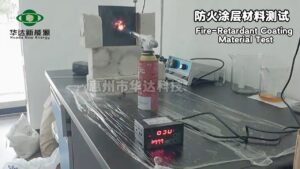
huadaenergy is a pioneer in applying a newly developed fire-resistant coating to energy storage systems. The material is jointly developed by Hunan Yinsuo Technology and Changsha TopMaterial, with research roots at the State Key Laboratory of Powder Metallurgy, Central South University — an application first, not a claim to the material patent. Material test files report that a 2.5 mm coated steel plate withstood an 800–850 °C burner for 30 minutes without burn-through, with a peak back-face temperature of 154.8 °C below the 300 °C limit (YJ2025060240); cross-cut adhesion reached grade 0 under GB/T 31586-2015 (EMT02R000171C01); RoHS screening found 256 mg/kg lead against a 1000 mg/kg limit (A2260349272101001C); and an SDS follows REACH 2020/878 (XG26165519). The reports were issued to the material developers, cover only tested samples, are for internal reference, and are not huadaenergy certificates.
Applicazioni reali
A 215kWh cabinet BESS earns its place where demand charges, rooftop solar or an unreliable grid make the timing of electricity expensive. The same cabinet serves different loads depending on how the EMS is configured.
Factories and Workshops
A plant with a sharp 100 kW peak for two hours can charge overnight and discharge through the peak window, flattening energy cost and billed demand. Production lines keep running through short outages, with no diesel delay. Full-function testing and batch traceability matter more here than brochure figures.
Piazze di ricarica per veicoli elettrici
Fast chargers create steep, short grid spikes. A cabinet on site absorbs them, cutting connection capacity needs while chargers stay available — often the difference between a viable and a stalled project. See the CCS2 DC fast charger range for paired equipment.
Solar-Heavy Sites and Weak Grids
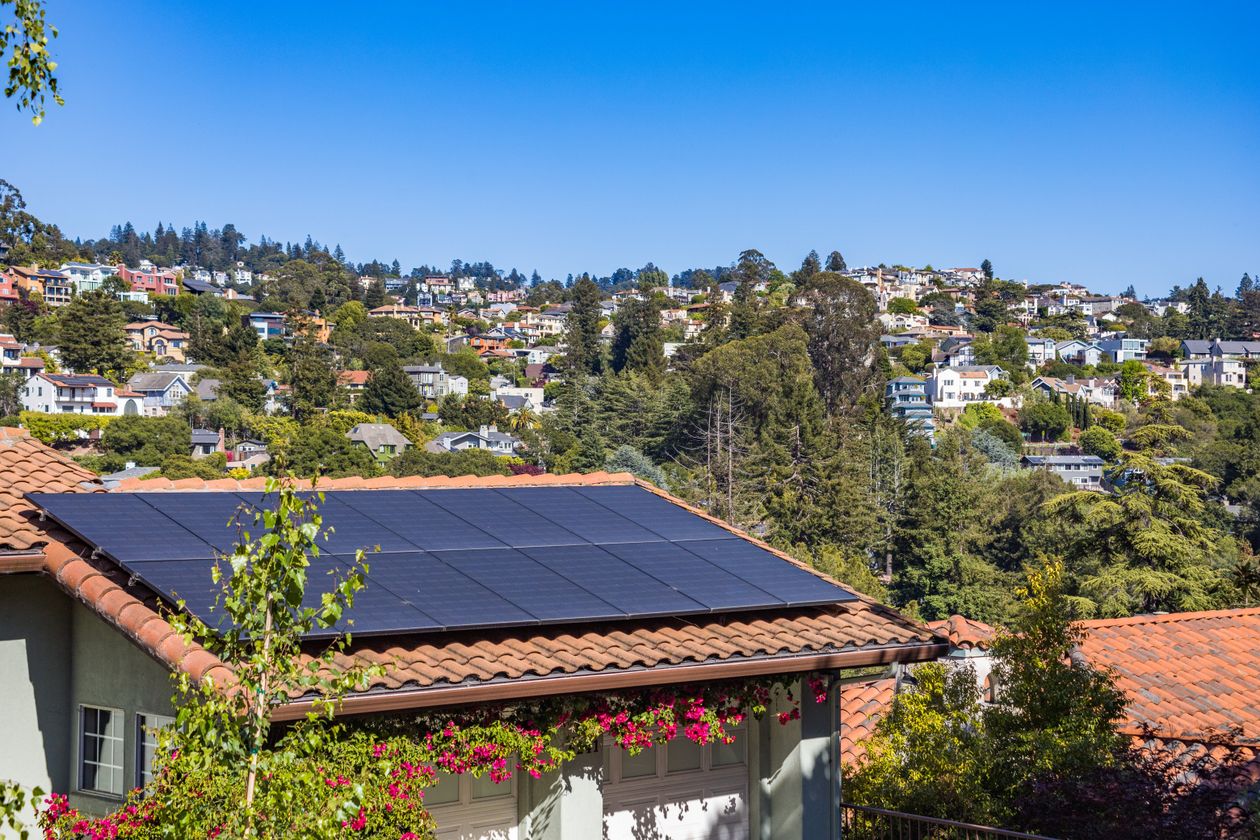
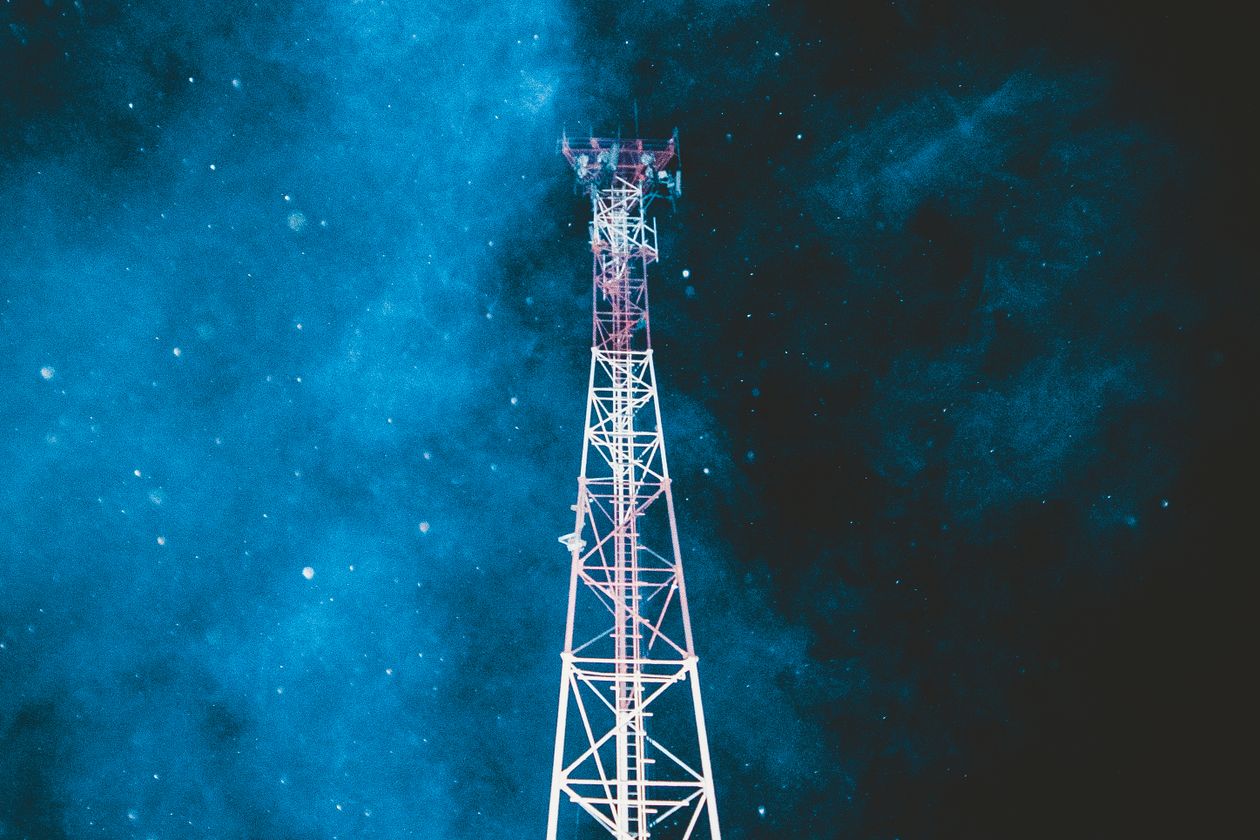
When rooftops generate more than the site uses, the MPPT takes surplus and the EMS stores it for the evening peak. Remote towers use the same cabinet as a buffer on unstable supply. Multi-cabinet dispatch logic is covered in the flexible power dispatch article.
Cabinet BESS vs Alternatives
For a site with under 2.5 m² to spare and no dedicated O&M team, a 215kWh cabinet BESS is simpler than a container and more useful than a grid-only connection. The comparison below is indicative, not a quote.
Versus Grid-Only Supply
The product page’s example uses a 0.85 USD/kWh peak-valley spread and 330 operating days: one full 215 kWh cycle a day shifts about 71 MWh a year, roughly 60,300 USD of arbitrage value before demand savings. Those are assumptions, not a return commitment. The 500 kWh container fits when shifted energy exceeds one cabinet.
Versus a Containerized System
| Choice | 215 kWh cabinet | 500 kWh–2 MWh container |
|---|---|---|
| Space | Under 2.5 m², ground-set | 20–40 ft footprint and lifting |
| Installazione | Pad, cables, grid tie | Civil works, crane, commissioning |
| Thermal design | Air cooling, no coolant loop | Liquid cooling at higher energy density |
| Scaling route | Add cabinets or move up the H098 range | Sized for utility-scale durations |
Larger containerised systems follow the same sizing logic; the choice turns on land, duration and maintenance.
How to Choose and Configure
Choose a 215kWh cabinet BESS by matching three numbers: your peak load, your tariff spread and your available PV roof area. Capacity alone does not decide whether a project works.
Five Checks Before Ordering
- Peak profile: confirm the kW peak and how many hours it lasts; 100 kW for about two hours is the cabinet’s window.
- Tariff structure: check both the energy spread and any demand charge, since the two are saved differently.
- PV plan: confirm roof area and DC voltage so the 200–950 V MPPT window is used properly.
- Site conditions: verify the pad, access for a 2850 kg unit, ambient range and local fire requirements.
- Documents: request the report numbers, current dates and market-specific marks before tender submission.
OEM, ODM and Custom System Design
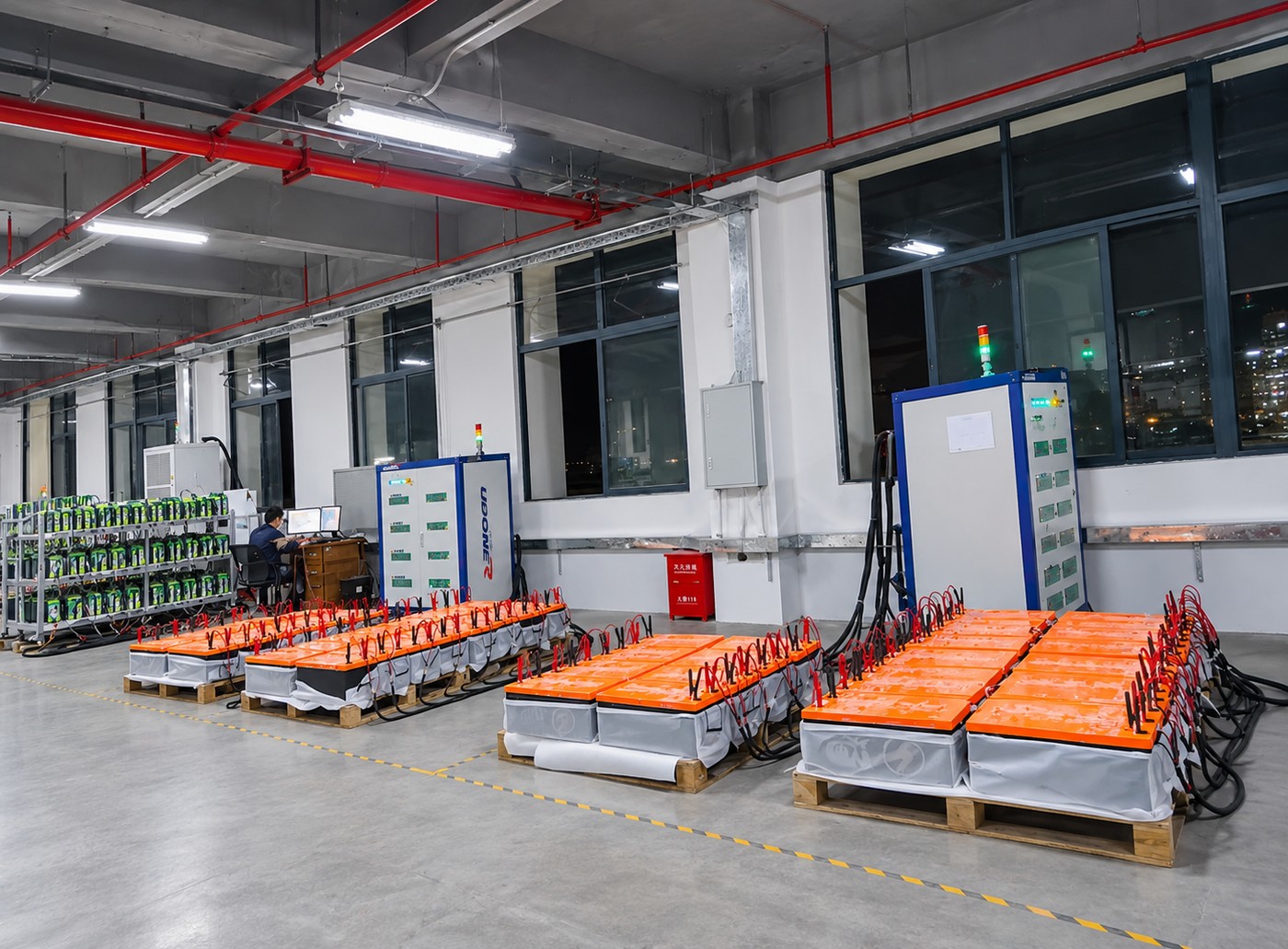
huadaenergy is the source factory for the H098 range: capacity, appearance, communication protocol and control logic can be built to a distributor’s or EPC’s specification. Production follows the confirmed configuration with batch records, full-function testing and reinforced export packing. Engineering can adapt the EMS to local tariffs or dispatch rules — send the site data for a proposed configuration.
Domande frequenti
Quanta potenza può fornire un cabinet BESS da 215 kWh?
Alla sua potenza nominale di 100 kW, l'armadio supporta circa due ore di un carico di 100 kW, o più a lungo con un carico inferiore. L'autonomia effettiva dipende dalla profondità di scarica, dalla temperatura e dal profilo di carico.
Il solare su tetto può connettersi direttamente?
Sì. L'MPPT integrato accetta fino a 120 kW di PV a un massimo di 850 V, con un intervallo di funzionamento di 200–950 V, quindi non è necessario un inverter PV separato.
Il H098-215kWh è raffreddato ad aria o a liquido?
Air-cooled. There is no coolant loop to top up and no leak risk, which lowers the maintenance threshold for sites without an O&M team.
Quali certificazioni possiede?
I file di test agli atti coprono IEC 63056:2020, verifica a bassa tensione ed EMC, IEC 62933-5-2 e RoHS; la pagina del prodotto elenca inoltre IEC 62933-2-1, EN 61000-6, UN38.3, MSDS, RoHS 2.0 e SIRIM MyHIJAU. Richiedere i documenti timbrati aggiornati per il proprio mercato.
Posso espandere la capacità in seguito?
Sì. La serie H098 copre da 50 a 315 kWh e più armadi possono essere pianificati in un unico sito. Iniziare con il carico disponibile e aggiungere capacità man mano che i consumi crescono.
Supportate ordini OEM e ODM?
Sì. huadaenergy supporta la personalizzazione di capacità, aspetto, protocolli di comunicazione e logica di controllo, con progettazione del sistema specifica per il progetto direttamente dalla fabbrica.
Informazioni su huadaenergy
Source Factory and Support
huadaenergy builds the H098 cabinet and container ranges in Huizhou, with cell and module traceability, full-function testing and export packing handled in house. Share your site type, load and target market through the pagina contatti for a configuration and quotation.
Last updated: 2026-11-24